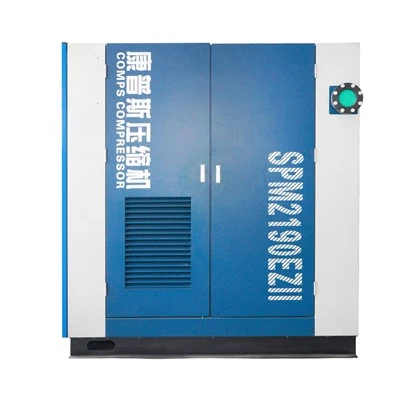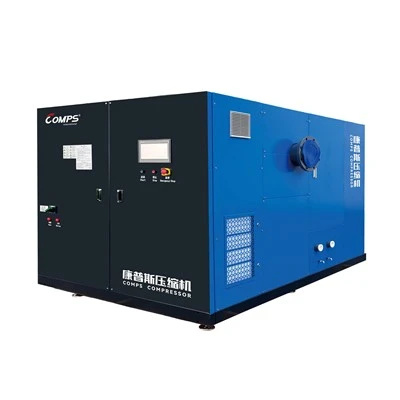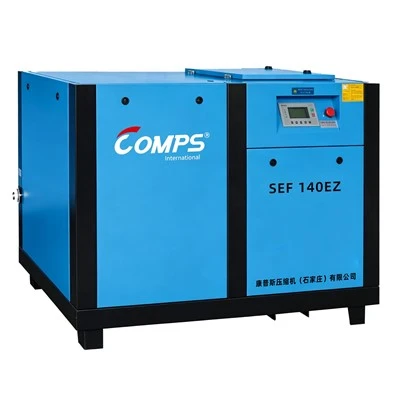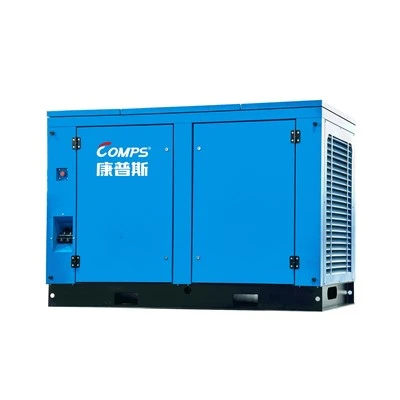
Hey there! As a supplier of ultra high pressure air compressors, I've seen firsthand how different factors can impact the performance of these powerful machines. One factor that often gets overlooked but is incredibly important is the air inlet temperature. In this blog post, I'm going to break down how the air inlet temperature affects the performance of an ultra high pressure air compressor and why it matters to you.
Understanding Ultra High Pressure Air Compressors
Before we dive into the impact of air inlet temperature, let's quickly go over what an ultra high pressure air compressor is. These compressors are designed to take in air and compress it to extremely high pressures, often used in industries like oil and gas, aerospace, and manufacturing. They're built to handle tough conditions and provide a reliable source of compressed air for various applications.
How Air Inlet Temperature Works
The air inlet temperature refers to the temperature of the air that enters the compressor. This temperature can vary depending on the environment where the compressor is located. For example, if the compressor is in a hot, sunny area, the inlet air temperature will be higher compared to a cooler, shaded location.
When the compressor takes in air, it compresses it. This compression process generates heat. However, the initial temperature of the air coming in can have a big impact on how the compressor performs.


Impact on Compression Efficiency
One of the most significant effects of air inlet temperature on an ultra high pressure air compressor is its impact on compression efficiency. Compression efficiency is all about how well the compressor can turn the energy it uses into compressed air.
When the air inlet temperature is high, the air is less dense. This means there are fewer air molecules in a given volume. As the compressor tries to compress this less - dense air, it has to work harder to achieve the same amount of pressure as it would with cooler, denser air. In other words, more energy is required to compress the air, which reduces the compression efficiency.
For instance, let's say you have two identical compressors, one operating with an air inlet temperature of 30°C and the other with an inlet temperature of 40°C. The compressor with the 40°C inlet air will use more energy to achieve the same pressure level, resulting in higher operating costs.
Impact on Compressor Capacity
The air inlet temperature also affects the compressor capacity, which is the amount of compressed air the compressor can produce. As mentioned earlier, hot air is less dense. When the compressor takes in less - dense air, it can't compress as much air mass as it would with cooler air.
This reduction in capacity can lead to problems in applications where a consistent supply of compressed air is required. For example, in a manufacturing plant where pneumatic tools rely on a certain volume of compressed air to operate efficiently, a decrease in compressor capacity can slow down production or even cause the tools to malfunction.
Impact on Compressor Temperature and Wear
Running a compressor with high inlet air temperatures can also lead to higher internal temperatures within the compressor. The heat generated during compression is added to the already high inlet temperature, causing the compressor's components to get very hot.
High temperatures can accelerate wear and tear on the compressor's internal parts. Seals, gaskets, and bearings may degrade more quickly, leading to potential leaks and mechanical failures. Regular maintenance becomes even more crucial when operating in high - inlet - temperature conditions to prevent unexpected breakdowns.
Impact on Air Quality
The air inlet temperature can also have an impact on the quality of the compressed air. When the air is hot and less dense, it can hold more moisture. As the air is compressed, this moisture can condense inside the compressor and its piping.
Excess moisture in the compressed air can cause corrosion in the system, damage sensitive equipment, and contaminate the end - product in applications such as food and beverage production. Therefore, proper air drying and filtration systems are essential, especially when dealing with high - inlet - temperature air.
Strategies to Mitigate the Impact of High Air Inlet Temperature
So, what can you do to minimize the negative effects of high air inlet temperature on your ultra high pressure air compressor?
- Location Selection: Try to install the compressor in a cool, shaded area. This can significantly reduce the inlet air temperature. If possible, place the compressor indoors or use a shelter to protect it from direct sunlight.
- Ventilation: Ensure that there is proper ventilation around the compressor. Good airflow can help keep the inlet air temperature down. For example, you can install fans to blow cool air towards the compressor's air intake.
- Air Cooling Systems: Consider using pre - cooling systems to lower the temperature of the air before it enters the compressor. These systems can use water or refrigerant to cool the incoming air.
Related Products
If you're in the market for other types of air compressors, we also offer a range of high - quality products. Check out our Low Pressure Screw Air Compressor, Oil Free Screw Blowers, IECEx Certified Explosion Proof Air Compressors, Electric Driven Air Compressor, and Mobile Electric Air Compressor.
Conclusion and Call to Action
As you can see, the air inlet temperature plays a crucial role in the performance of an ultra high pressure air compressor. By understanding its impact and taking appropriate measures to control it, you can ensure that your compressor operates efficiently, has a longer lifespan, and provides high - quality compressed air.
If you're interested in learning more about our ultra high pressure air compressors or have any questions about how air inlet temperature affects their performance, don't hesitate to reach out. We're here to help you find the best solution for your needs. Whether you're a small business or a large industrial operation, we can provide the expertise and support you need. Contact us today to start a conversation about your air compressor requirements.
References
- "Compressor Handbook: Principles and Practice" by Lynn W. Hall
- "Industrial Compressed Air Systems" published by the Compressed Air and Gas Institute