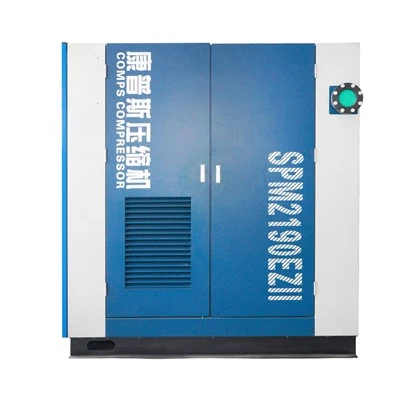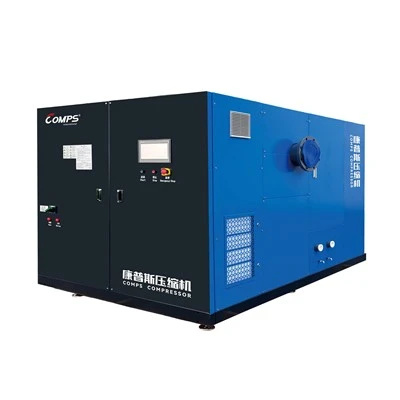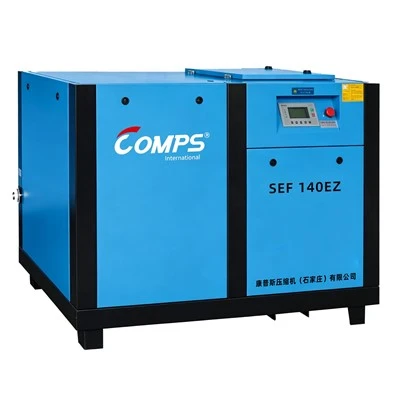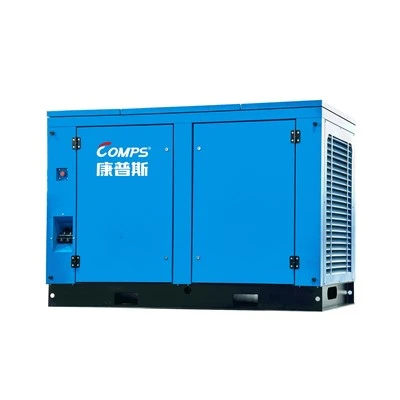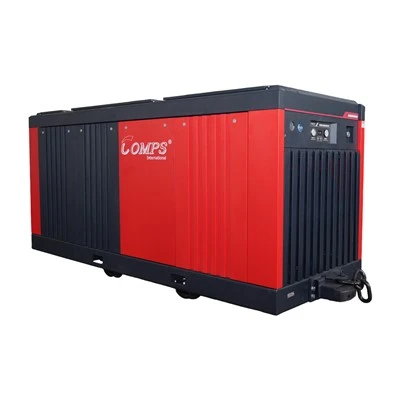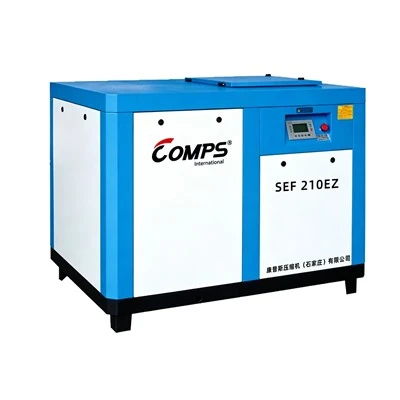
Adjusting the pressure of an oil injected screw air compressor is a crucial task that directly impacts its performance, efficiency, and the quality of the compressed air it delivers. As a reputable supplier of Oil Injected Screw Air Compressors, we understand the importance of proper pressure adjustment and are here to guide you through the process.
Understanding the Basics of Pressure in Oil Injected Screw Air Compressors
Before delving into the adjustment process, it's essential to understand the role of pressure in an oil injected screw air compressor. Pressure is the force exerted by the compressed air within the compressor system, and it is measured in units such as pounds per square inch (psi) or bar. The pressure of the compressed air determines its capacity to perform various tasks, from powering pneumatic tools to operating industrial machinery.
There are two main types of pressure settings in an oil injected screw air compressor: the cut - in pressure and the cut - out pressure. The cut - in pressure is the lower limit at which the compressor starts to run and build up pressure. The cut - out pressure is the upper limit at which the compressor stops running. Maintaining the correct pressure range is vital for the efficient operation of the compressor and the equipment it serves.


Tools Required for Pressure Adjustment
To adjust the pressure of an oil injected screw air compressor, you will need a few basic tools. These include a pressure gauge to measure the current pressure, a screwdriver (usually a Phillips or flat - head, depending on the compressor model) to adjust the pressure regulation screws, and safety equipment such as gloves and safety glasses to protect yourself during the process.
Step - by - Step Guide to Adjusting the Pressure
- Shut Down the Compressor: Before making any adjustments, it is crucial to turn off the compressor and let it cool down. This ensures your safety and prevents any damage to the compressor components.
- Locate the Pressure Regulator: The pressure regulator is usually a small, round or rectangular device located on the compressor's control panel. It may have a label indicating its function.
- Identify the Cut - In and Cut - Out Adjustment Screws: On the pressure regulator, there are typically two adjustment screws. One is for adjusting the cut - in pressure, and the other is for adjusting the cut - out pressure. Refer to the compressor's manual if you are unsure which is which.
- Check the Current Pressure Settings: Use the pressure gauge to measure the current cut - in and cut - out pressures. This will give you a baseline for your adjustments.
- Adjust the Cut - Out Pressure: To increase the cut - out pressure, turn the cut - out adjustment screw clockwise. To decrease it, turn the screw counter - clockwise. Make small adjustments and check the pressure with the gauge after each turn.
- Adjust the Cut - In Pressure: After adjusting the cut - out pressure, you may need to adjust the cut - in pressure to maintain the desired pressure differential. To increase the cut - in pressure, turn the cut - in adjustment screw clockwise, and to decrease it, turn the screw counter - clockwise.
- Test the Compressor: Once you have made the adjustments, start the compressor and monitor the pressure. Check that the compressor starts at the desired cut - in pressure and stops at the desired cut - out pressure. If the pressure is not within the correct range, make further adjustments as needed.
Factors Affecting Pressure Adjustment
Several factors can affect the pressure adjustment of an oil injected screw air compressor. One of the main factors is the type of application. Different applications require different pressure levels. For example, Fixed Speed Air Compressor used in light - duty applications such as powering small pneumatic tools may require lower pressure settings compared to High Pressure Screw Air Compressor used in heavy - duty industrial processes.
The ambient temperature and humidity can also impact the pressure. Higher temperatures can cause the air to expand, which may affect the pressure readings. In addition, changes in elevation can affect the atmospheric pressure, which in turn can influence the compressor's performance.
Troubleshooting Pressure - Related Issues
If you encounter problems with the pressure adjustment of your oil injected screw air compressor, there are a few common issues and solutions to consider.
- Inconsistent Pressure: If the pressure fluctuates or is inconsistent, it could be due to a faulty pressure regulator. In this case, you may need to replace the regulator.
- Compressor Not Starting or Stopping at the Correct Pressure: This could be caused by a misaligned adjustment screw or a problem with the compressor's control system. Check the adjustment screws and, if necessary, consult a professional technician.
- Low Pressure Output: If the compressor is not generating enough pressure, it could be due to a clogged air filter, a leak in the system, or worn - out compressor components. Check the air filter and the system for leaks, and replace any damaged components.
Importance of Regular Maintenance for Pressure Stability
Regular maintenance is essential for ensuring the stable pressure output of an oil injected screw air compressor. This includes changing the air filter regularly to prevent clogging, checking the oil level and quality, and inspecting the compressor's components for wear and tear. By performing regular maintenance, you can extend the lifespan of your compressor and maintain its optimal performance.
Different Types of Oil Injected Screw Air Compressors and Their Pressure Requirements
As a supplier, we offer a wide range of oil injected screw air compressors, each with its own pressure requirements. For instance, Underground Mine Air Compressor need to operate under specific pressure conditions to ensure the safety and efficiency of the mining operations. These compressors often require higher pressure settings to power the tools and equipment used underground.
On the other hand, Oil Free Screw Air Compressor are used in applications where oil contamination is a concern, such as in the food and beverage industry. The pressure adjustment for these compressors is crucial to ensure the clean and consistent supply of compressed air.
Industrial Stationary Air Compressor are designed for continuous operation in industrial settings. They typically have higher pressure and capacity requirements, and proper pressure adjustment is vital for their long - term performance.
Conclusion
Adjusting the pressure of an oil injected screw air compressor is a precise and important process that requires careful attention to detail. By following the steps outlined in this guide and considering the factors that affect pressure, you can ensure the optimal performance of your compressor.
As a leading supplier of Oil Injected Screw Air Compressors, we are committed to providing high - quality products and excellent customer service. If you are in the market for a new compressor or need assistance with pressure adjustment or maintenance, we encourage you to contact us for a detailed discussion. Our team of experts is ready to help you find the best solution for your specific needs.
References
- Compressed Air Systems Handbook.
- Manufacturer's Manuals for Oil Injected Screw Air Compressors.