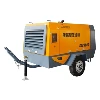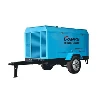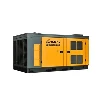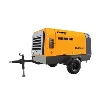
An air compressor is a device that increases the pressure of compressed air by increasing the density of gas molecules. It is a power device that converts mechanical energy into gas pressure energy and is mainly used in industrial production, energy storage, and air separation plants.
This equipment is driven by an electric motor and achieves gas compression through a positive displacement (such as piston or screw) or velocity (such as centrifugal) structure. The operating pressure range is typically 0.5-0.7 MPa. Piston compressors use a crankshaft to drive a piston, changing the cylinder volume to complete gas intake and compression, while centrifugal compressors utilize kinetic energy conversion to achieve pressurization. High-pressure models employ a multi-shaft turbine centrifugal design, with a maximum outlet pressure of up to 14 MPa, suitable for 100,000-level air separation plants and 150MW-scale energy storage systems. Selection requires comprehensive calculation of output pressure and flow parameters based on the pneumatic system requirements, with pressure redundancy considered.