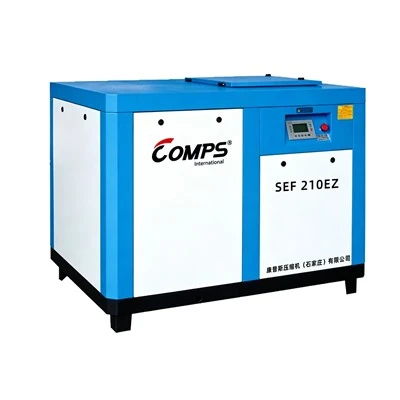
Calibrating a Permanent Magnet Screw Compressor is a meticulous process that ensures the compressor operates at peak efficiency, reliability, and safety. As a leading provider of Permanent Magnet Screw Compressors, we understand the importance of proper calibration to meet the diverse needs of our clients across various industries. In this blog, we will delve into the step - by - step process of calibrating a Permanent Magnet Screw Compressor and discuss why it is crucial for your operations.
Understanding the Permanent Magnet Screw Compressor
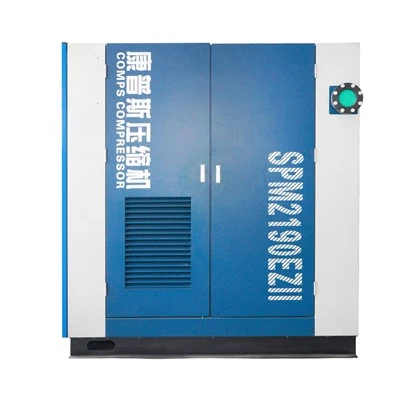
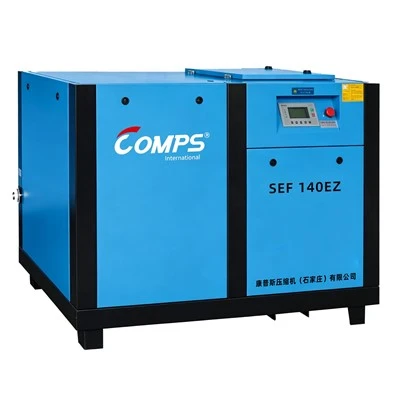
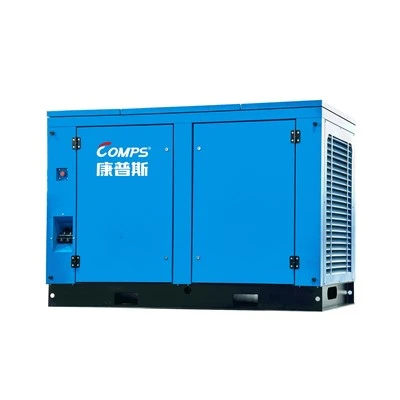
Before we dive into the calibration process, let's briefly understand what a Permanent Magnet Screw Compressor is. These compressors use permanent magnets in the motor, which offer high - efficiency and energy - saving benefits compared to traditional compressor motors. The screw design, with its two helical rotors, compresses air by reducing the volume between the rotors as they rotate. This design results in a continuous flow of compressed air, making it suitable for applications that require a steady supply of compressed air, such as manufacturing, automotive, and food processing industries.
Why Calibration is Essential
Calibration of a Permanent Magnet Screw Compressor is not just a routine check; it is a critical maintenance step that impacts multiple aspects of the compressor's performance. Firstly, proper calibration ensures accurate pressure regulation. If the pressure is too high, it can lead to excessive wear and tear on the compressor components, increased energy consumption, and potential safety hazards. On the other hand, if the pressure is too low, it may not meet the requirements of the end - use applications, leading to inefficiencies in the production process.
Secondly, calibration helps in maintaining the correct temperature of the compressor. Overheating can cause damage to the motor, lubricants, and other internal components, reducing the lifespan of the compressor. By calibrating the temperature sensors and control systems, we can prevent overheating and ensure smooth operation.
Lastly, accurate calibration can improve energy efficiency. A well - calibrated compressor operates with less energy waste, which translates to cost savings for the end - user over the long term.
Step - by - Step Calibration Process
1. Pre - calibration Inspection
Before starting the calibration process, a thorough inspection of the compressor is necessary. Check for any visible signs of damage, such as leaks in the air or oil lines, loose connections, or worn - out parts. Inspect the air filters and clean or replace them if they are dirty. A clogged air filter can restrict the airflow, leading to increased energy consumption and reduced compressor performance.
2. Pressure Calibration
Pressure calibration is one of the most critical steps in the process. Start by connecting a reliable pressure gauge to the compressed air output port of the compressor. This gauge will provide an accurate measurement of the actual pressure produced by the compressor. Compare this reading with the desired pressure setting specified for your application.
If the actual pressure reading is different from the desired setting, adjust the pressure regulation valve. This valve controls the amount of compressed air released from the compressor, thereby regulating the pressure. Turn the adjusting screw on the valve clockwise to increase the pressure and counter - clockwise to decrease it. Make small adjustments and continuously monitor the pressure gauge until the desired pressure is achieved.
3. Temperature Calibration
Temperature calibration ensures that the compressor operates within a safe temperature range. Most Permanent Magnet Screw Compressors are equipped with temperature sensors that monitor the temperature of the motor, lubricants, and compressed air. Use a calibrated thermometer to verify the accuracy of these sensors.
If the thermometer reading differs from the sensor's display, adjust the sensor calibration settings according to the manufacturer's instructions. This may involve accessing the control panel of the compressor and using the built - in calibration functions. Ensure that the compressor is properly cooled during this process to avoid overheating and inaccurate readings.
4. Flow Rate Calibration
Flow rate calibration is important to ensure that the compressor delivers the required amount of compressed air. To calibrate the flow rate, use a flow meter to measure the actual volume of air flowing out of the compressor. Compare this measurement with the specified flow rate for your application.
If the actual flow rate is lower than the desired rate, check for any restrictions in the air intake or output lines. A partially blocked line can reduce the flow rate. Clean or replace any clogged components, such as air filters or pipes. If necessary, adjust the compressor's speed settings or the position of the intake valves to increase the flow rate.
5. Electrical Calibration
Since Permanent Magnet Screw Compressors rely on electrical power, electrical calibration is essential for safe and efficient operation. Check the voltage and current readings using a multimeter. Ensure that the voltage supplied to the compressor is within the recommended range. Fluctuations in voltage can damage the motor and other electrical components.
Inspect the electrical connections for tightness and signs of corrosion. Loose connections can cause electrical resistance, leading to overheating and potential electrical failures. Calibrate the motor control system to ensure that it operates at the correct speed and torque, as specified by the manufacturer.
Advanced Calibration Considerations
1. Load and Unload Settings
Permanent Magnet Screw Compressors often operate in a load - unload cycle. The load setting determines when the compressor starts compressing air, and the unload setting determines when it stops. Calibrate these settings based on the demand for compressed air in your application. If the compressor is constantly cycling between load and unload, it can lead to increased energy consumption and wear on the components. Optimize the load and unload settings to ensure efficient operation.
2. Variable Speed Drive (VSD) Calibration
Many modern Permanent Magnet Screw Compressors are equipped with Variable Speed Drives. VSDs allow the compressor to adjust its speed according to the demand for compressed air, resulting in significant energy savings. Calibrate the VSD to ensure that it responds accurately to changes in air demand. This may involve adjusting the control parameters, such as the speed setpoint, acceleration, and deceleration rates.
Benefits of Professional Calibration
While some basic calibration tasks can be performed by in - house maintenance teams, professional calibration services offer several advantages. Professional calibrators have the expertise, experience, and specialized tools to perform accurate and comprehensive calibration. They are familiar with the latest industry standards and best practices, ensuring that your compressor is calibrated to the highest level of quality.


Moreover, professional calibration services often include a detailed report of the calibration process, including the initial readings, adjustments made, and the final calibrated values. This report can be used for documentation purposes, quality control, and compliance with regulatory requirements.
Related Products
If you are interested in exploring other types of air compressors, we offer a wide range of products to meet your specific needs. Check out our High Pressure Screw Air Compressor for applications that require high - pressure compressed air. Our Oil Free Screw Blowers are ideal for industries where oil - free air is essential, such as food and beverage and pharmaceutical manufacturing.
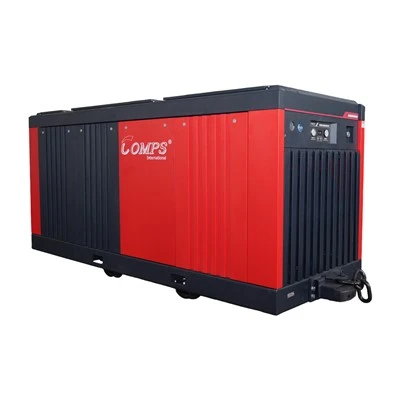
For large - scale applications, our Magnetic Bearing Centrifugal Air Compressor provides high - efficiency and reliable performance. The Inverter Two Stage Screw Air Compressor offers energy - saving benefits with its two - stage compression design. And for mining applications, our Compressor Machine For Mining is built to withstand the harsh conditions of the mining environment.
Contact Us for Purchase and Consultation
If you are in the market for a Permanent Magnet Screw Compressor or need professional calibration services, we are here to help. Our team of experts can provide you with detailed information about our products, assist you in selecting the right compressor for your application, and offer guidance on calibration and maintenance. Contact us today to start a discussion about your needs. We look forward to working with you to optimize your compressed air system.
References
- Compressed Air and Gas Institute (CAGI). "Standards for Compressed Air Equipment."
- Manufacturer's manuals for Permanent Magnet Screw Compressors.
- Industrial Technology Research Institute (ITRI). "Research on Energy - Saving Technologies for Compressed Air Systems."