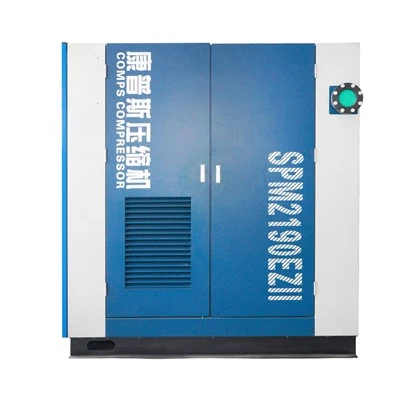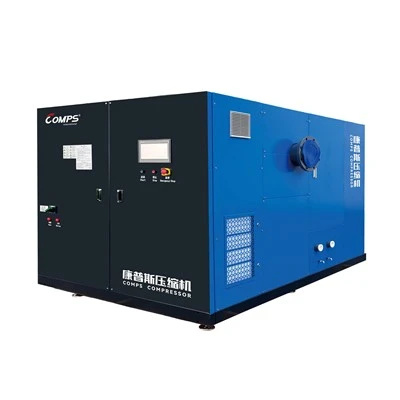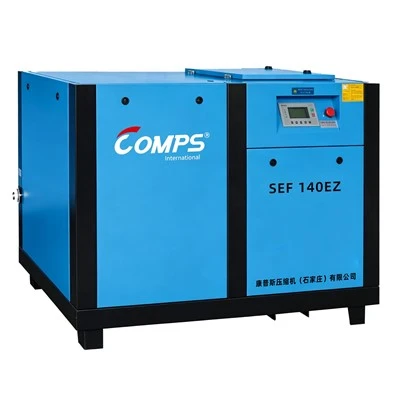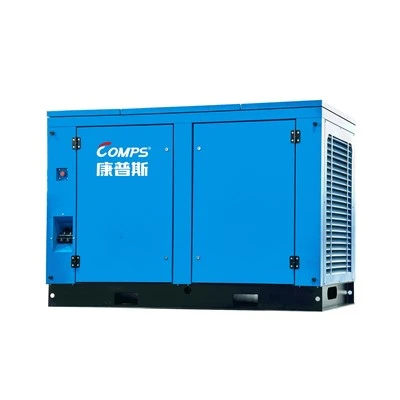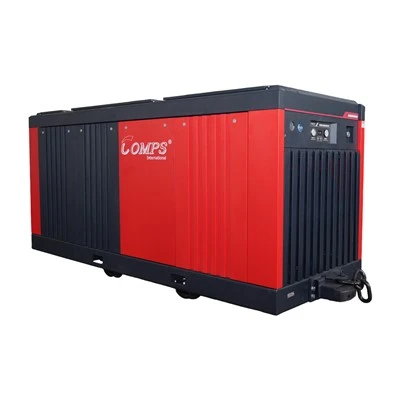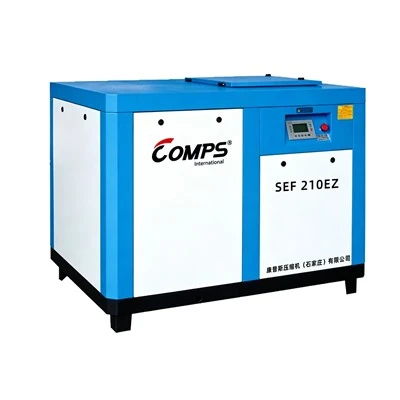
Alright, folks! As a supplier of Natural Gas Air Compressors, I've seen firsthand how these machines can be real workhorses in various industries. But like any piece of equipment, they need proper maintenance to keep running smoothly. So, let's dive into how to maintain a natural gas air compressor.
Regular Inspections
First off, regular inspections are a must. You should visually check your compressor at least once a week. Look for any signs of leaks around the hoses, fittings, and valves. A small leak can turn into a big problem if left unchecked. Just feel around the connections to see if there's any air hissing out. If you do find a leak, don't try to fix it yourself if you're not sure. It's better to call in a professional.
Also, take a good look at the compressor's belts. Over time, belts can wear out, stretch, or crack. If a belt is loose or damaged, it can cause the compressor to work inefficiently or even break down. You can check the tension of the belt by pressing down on it with your finger. It should have a little give but not be too loose. If it's worn, replace it right away.
Oil Checks and Changes
Oil is the lifeblood of your natural gas air compressor. You need to check the oil level daily. Most compressors have a sight glass or oil dipstick that makes it easy to see the oil level. If the oil level is low, add the recommended type of oil. But don't overfill it! Too much oil can cause problems just as easily as too little.


You should also change the oil regularly. How often depends on how much you use the compressor. As a general rule, if you use it for light-duty work, change the oil every 500 - 1000 hours. For heavy - duty use, change it every 250 - 500 hours. When you change the oil, also replace the oil filter. This helps keep the oil clean and the compressor running well.
Air Filter Maintenance
The air filter is another crucial part of the compressor. It keeps dirt, dust, and other contaminants out of the compressor. A clogged air filter can reduce the compressor's efficiency and cause it to overheat. Check the air filter every month and clean or replace it as needed. If you're working in a dusty environment, you may need to do this more often.
Cooler Cleaning
Natural gas air compressors generate a lot of heat, and the cooler is responsible for keeping the compressor from overheating. You need to keep the cooler clean. Remove any debris, dirt, or dust that may have accumulated on the cooler fins. You can use a soft brush or compressed air to clean it. Make sure to do this at least every three months, or more often if the compressor is used in a dirty or dusty environment.
Valve Maintenance
The valves in a natural gas air compressor control the flow of air and gas. Over time, they can become dirty or worn. Check the valves regularly for proper operation. You can listen for unusual noises or feel for any vibrations that may indicate a problem with the valves. If you suspect a valve isn't working right, it's best to have it inspected and repaired by a professional.
Electrical System Checks
If your natural gas air compressor has an electrical system (for things like controls and sensors), you need to check it regularly. Look for loose wires, frayed insulation, or any other signs of damage. If you notice any problems with the electrical system, shut off the compressor immediately and have it repaired by a qualified electrician.
Professional Maintenance
Even if you're doing all the regular maintenance yourself, it's a good idea to have a professional service your natural gas air compressor at least once a year. They have the tools and expertise to do a thorough inspection and maintenance job. They can also identify potential problems before they turn into major issues.
Now, if you're thinking about getting a natural gas air compressor or replacing your current one, we've got a great range of products to choose from. We offer Inverter Two Stage Screw Air Compressor which are highly efficient and reliable. If you need a more precise one, our Precision Air Compressor might be just what you're looking for. For environments where safety is a top concern, we have Explosion Proof Air Compressor. Our Normal-Pressure PM Inverter Air Compressors are great for general use, and if you need a really big one, check out our Large Inverter Screw Air Compressors.
If you're interested in learning more about our products or have any questions about natural gas air compressor maintenance, don't hesitate to reach out. We're here to help you make the right choice for your needs and ensure that your compressor runs well for a long time.
References
- Compressed Air and Gas Handbook, Mcgraw - Hill
- Air Compressor Maintenance Manuals from various manufacturers