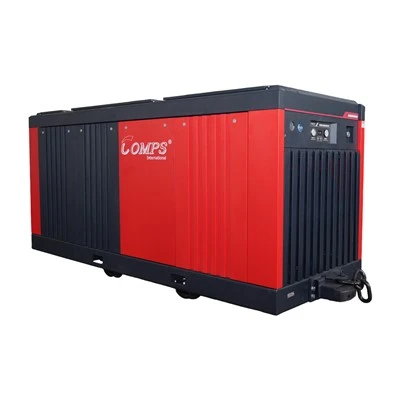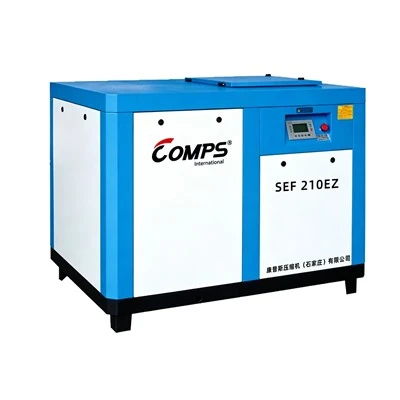
Handling emergencies related to an underground mine air compressor is a critical aspect of ensuring the safety and efficiency of mining operations. As a leading supplier of underground mine air compressors, we understand the unique challenges and risks associated with these complex systems. In this blog post, we will discuss the common emergencies that can occur with underground mine air compressors and provide practical strategies for effectively managing them.
Common Emergencies in Underground Mine Air Compressors
Overheating
Overheating is one of the most common emergencies in air compressors. In an underground mine environment, factors such as poor ventilation, high ambient temperatures, and heavy workloads can contribute to overheating. When an air compressor overheats, it can lead to reduced efficiency, increased wear and tear on components, and even complete system failure.
Air Leakage
Air leakage is another significant issue in underground mine air compressors. Leaks can occur in various parts of the system, including pipes, fittings, and valves. Not only does air leakage waste energy, but it can also lead to a drop in air pressure, affecting the performance of pneumatic tools and equipment in the mine.
Electrical Failures
Electrical failures pose a serious threat to the operation of underground mine air compressors. Faulty wiring, short circuits, and power surges can cause the compressor to shut down unexpectedly or even start a fire. Given the confined and potentially explosive nature of underground mines, electrical failures must be addressed promptly to prevent catastrophic accidents.
Mechanical Failures
Mechanical failures, such as broken belts, worn-out bearings, and damaged pistons, can also occur in underground mine air compressors. These failures can disrupt the normal operation of the compressor and may require extensive repairs or component replacements.
Strategies for Handling Emergencies
Preventive Maintenance
The best way to handle emergencies is to prevent them from happening in the first place. Implementing a comprehensive preventive maintenance program is essential for ensuring the reliable operation of underground mine air compressors. This program should include regular inspections, lubrication, filter changes, and component replacements as recommended by the manufacturer.
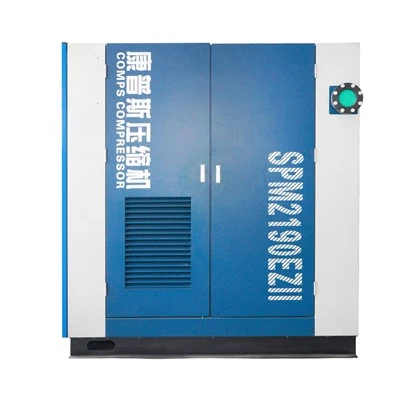
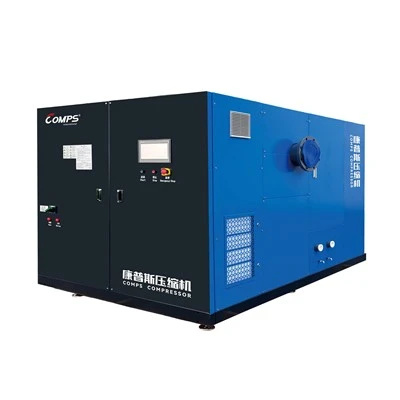
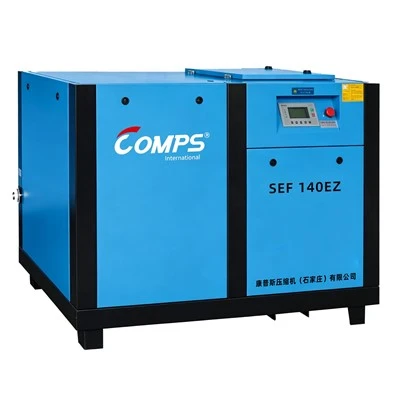
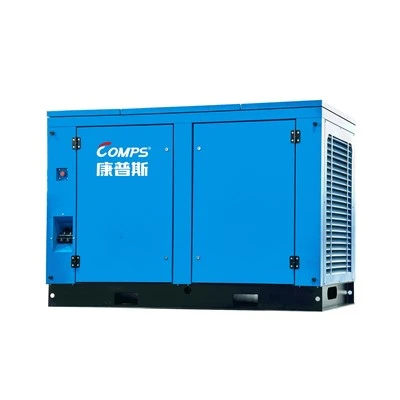
For example, our Inverter Two Stage Screw Air Compressor is designed with advanced features to minimize the risk of emergencies. Its intelligent control system monitors the compressor's performance in real-time and can automatically adjust the operating parameters to prevent overheating and other issues.
Emergency Response Plan
Developing an emergency response plan is crucial for effectively managing emergencies when they do occur. The plan should outline the steps to be taken in case of different types of emergencies, including who to contact, what equipment to use, and how to safely shut down the compressor.
All mine personnel should be trained on the emergency response plan and should know their roles and responsibilities in an emergency situation. Regular drills should be conducted to ensure that everyone is familiar with the procedures and can respond quickly and effectively.
Monitoring and Early Warning Systems
Installing monitoring and early warning systems can help detect potential problems before they escalate into emergencies. These systems can monitor various parameters such as temperature, pressure, vibration, and electrical current, and can send alerts when abnormal conditions are detected.
For instance, our Permanent Magnet Screw Compressor is equipped with state-of-the-art sensors and monitoring technology. These sensors continuously monitor the compressor's performance and can detect early signs of overheating, air leakage, or mechanical failures. By receiving timely alerts, mine operators can take proactive measures to address the issues before they cause a major emergency.
Spare Parts Management
Having an adequate supply of spare parts is essential for minimizing downtime in case of an emergency. Mine operators should maintain a stock of critical spare parts for their air compressors, including filters, belts, bearings, and seals.


As a supplier, we offer a wide range of high-quality spare parts for our underground mine air compressors. Our High-Pressure PM Inverter Air Compressors are designed to be easily serviced, and we ensure that our spare parts are readily available to meet the needs of our customers.
Training and Education
Proper training and education are key to ensuring the safe and effective operation of underground mine air compressors. Mine personnel should receive comprehensive training on the operation, maintenance, and emergency handling of the air compressors.
This training should cover topics such as compressor safety procedures, preventive maintenance techniques, and how to use the emergency response plan. By providing ongoing training and education, mine operators can improve the skills and knowledge of their employees, reducing the risk of emergencies and improving overall productivity.
Case Studies
Let's take a look at some real-world examples of how effective emergency handling strategies have been implemented in underground mines.
In a large coal mine, a preventive maintenance program was implemented for their air compressors. Regular inspections and component replacements were carried out, and monitoring systems were installed to detect potential problems. As a result, the number of compressor breakdowns was significantly reduced, and the overall efficiency of the air compression system improved.
In another mine, an emergency response plan was developed and communicated to all mine personnel. When an electrical failure occurred in one of the air compressors, the operators were able to quickly follow the emergency procedures, shut down the compressor safely, and contact the maintenance team. The problem was resolved within a short period, minimizing the impact on the mining operations.
Conclusion
Handling emergencies related to underground mine air compressors requires a proactive approach, including preventive maintenance, emergency response planning, monitoring and early warning systems, spare parts management, and training and education. By implementing these strategies, mine operators can reduce the risk of emergencies, minimize downtime, and ensure the safe and efficient operation of their air compression systems.
As a reliable supplier of underground mine air compressors, we are committed to providing our customers with high-quality products and comprehensive support. Our Industrial Stationary Air Compressor and Fixed Speed Air Compressor are designed to meet the demanding requirements of underground mining operations.
If you are interested in learning more about our products or need assistance in handling emergencies related to your underground mine air compressors, please feel free to contact us for a consultation. We look forward to working with you to ensure the success of your mining operations.
References
- American Society of Mechanical Engineers (ASME). Boiler and Pressure Vessel Code.
- National Fire Protection Association (NFPA). Electrical Safety Standards.
- Mine Safety and Health Administration (MSHA). Safety Regulations for Underground Mines.