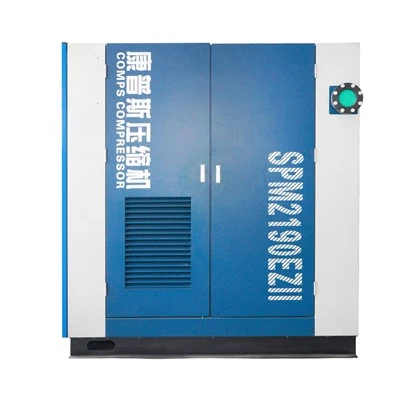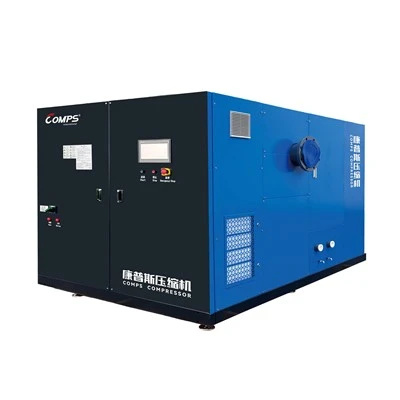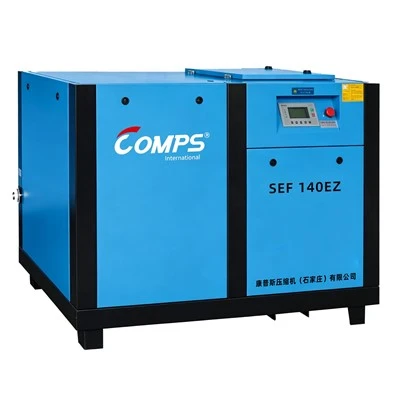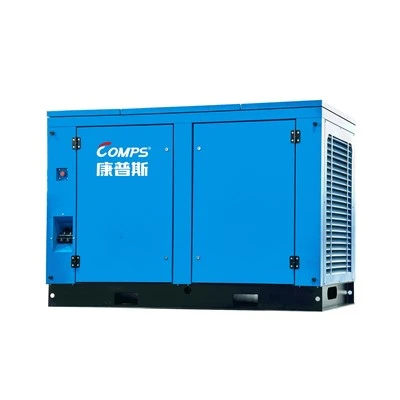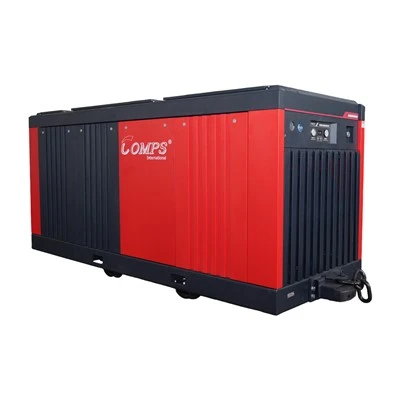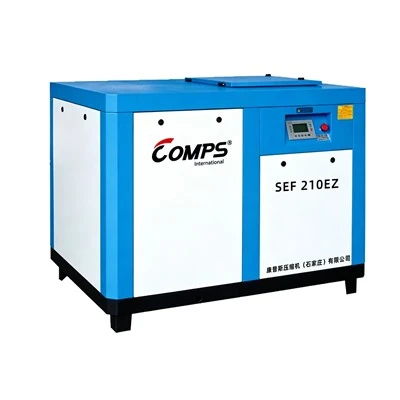
Transporting large inverter screw air compressors is no walk in the park. As a supplier of Large Inverter Screw Air Compressors, I've dealt with the ins and outs of getting these heavy - duty machines safely to their destinations. In this blog, I'll share some key tips and considerations for transporting these behemoths.
Pre - Transport Preparation
First things first, you need to do a thorough inspection of the compressor. Check for any visible damage, loose parts, or signs of wear and tear. Make sure all the components are firmly attached and that there's no debris inside the compressor. This pre - transport check can save you a lot of headaches down the road.
Next, it's time to secure the compressor. You can't just let it bounce around in the truck. Use high - quality straps, chains, or brackets to fasten it to the transport vehicle. The goal is to prevent any movement during transit that could lead to damage. You might also want to use padding around the compressor to absorb shocks and vibrations.
Documentation is another crucial aspect. You'll need to have all the necessary paperwork ready, including the bill of lading, customs documents (if it's an international shipment), and any technical specifications about the compressor. This will make the shipping process smoother and help avoid any delays at ports or checkpoints.
Choosing the Right Transport Method
When it comes to transporting large inverter screw air compressors, you have a few options.
Truck Transport
Trucking is a popular choice for domestic shipments. It offers a relatively direct route to the destination and gives you more control over the delivery schedule. However, you need to make sure the truck is the right size and has the appropriate equipment to handle the weight of the compressor. Flatbed trucks are often a good option as they allow for easy loading and unloading.
Rail Transport
For longer distances, rail transport can be a cost - effective solution. Railroads have the capacity to carry heavy loads, and they're generally more fuel - efficient than trucks. But keep in mind that rail transport may involve some additional steps, such as transferring the compressor from the truck to the train and vice versa.
Ocean Freight
If you're shipping the compressor overseas, ocean freight is the way to go. You'll need to choose the right type of container. A standard 20 - foot or 40 - foot container is usually suitable for large compressors. But make sure to secure the compressor inside the container properly to prevent it from shifting during the long journey at sea.
Loading and Unloading
Loading and unloading large inverter screw air compressors are critical operations. You should always use proper lifting equipment, like cranes or forklifts. These machines are designed to handle heavy loads safely.
Before loading, make sure the surface where the compressor will be placed on the transport vehicle is level and stable. This helps prevent uneven weight distribution, which could lead to damage during transit.
When unloading, follow the same safety procedures. Be careful not to drop or tip the compressor. It's a good idea to have a team of experienced workers on - site to handle these operations.
Special Considerations
Some large inverter screw air compressors may have special requirements during transport.
For example, if you're dealing with Low Pressure Screw Air Compressor, they may be more sensitive to pressure changes. You may need to take extra precautions to protect them from sudden pressure variations during transit.
Dry Screw Compressor units, on the other hand, need to be kept dry during transportation. Make sure the transport environment, whether it's a truck, train, or container, is well - sealed to prevent moisture from getting in.
If you're shipping IECEx Certified Explosion Proof Air Compressors, you must follow strict safety regulations. These compressors are designed for use in hazardous environments, so they need to be transported with the utmost care to avoid any risk of explosion or fire.
Compressor Machine For Mining often have a rugged build, but they may still be subject to damage from vibrations during transport. Consider using vibration - dampening materials to protect them.
Insurance and Tracking
It's always a good idea to get insurance for your large inverter screw air compressors during transport. Accidents can happen, and having insurance can give you peace of mind knowing that you'll be compensated if the compressor gets damaged.
In addition, use a tracking system to monitor the progress of the shipment. This allows you to keep an eye on the compressor's location and estimated time of arrival. You can also quickly address any issues that may arise during transit.
Conclusion
Transporting large inverter screw air compressors requires careful planning, the right equipment, and strict adherence to safety procedures. By following the tips and considerations outlined in this blog, you can ensure that your compressors reach their destinations safely and in good working condition.


If you're in the market for large inverter screw air compressors or need more information on their transport, don't hesitate to reach out. We're here to help you with all your compressor needs and can assist you in making the best decisions for your business.
References
- General knowledge from years of experience in the large inverter screw air compressor supply industry.
- Industry best practices for heavy equipment transportation.