Hey there! As an air compressor supplier, I know how crucial it is to keep your air compressor in top - notch condition. One of the biggest threats to these machines is humidity. Moisture in the air can cause all sorts of problems, from rusting and corrosion to reduced efficiency and even complete breakdowns. So, let's talk about how you can protect your air compressor from humidity.


Understanding the Problem
First off, it's important to understand why humidity is such a big deal. When your air compressor is running, it sucks in air from the surrounding environment. If that air is humid, the water vapor in it can condense inside the compressor. This condensed water can lead to rust on metal parts, which weakens the structure and can cause leaks. It can also contaminate the lubricating oil, reducing its effectiveness and causing increased wear and tear on moving parts.
Location, Location, Location
The first step in protecting your air compressor from humidity is choosing the right location. You want to place it in a dry area. Avoid basements or areas prone to flooding or high humidity levels. If possible, install the compressor in a climate - controlled room. This way, you can keep the temperature and humidity at optimal levels.
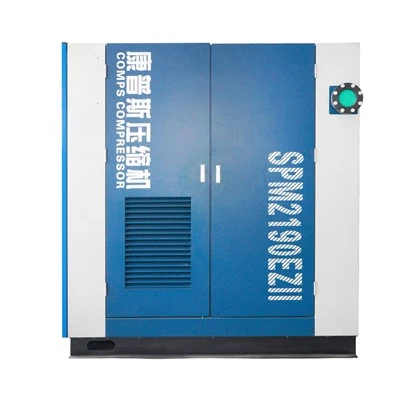
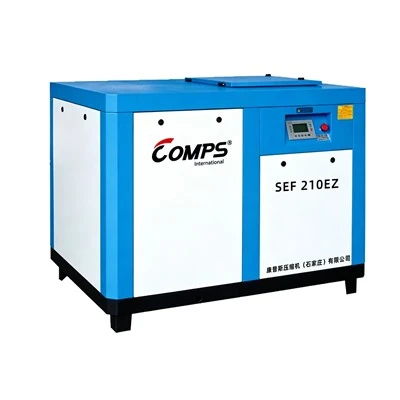
If you're using an Industrial Stationary Air Compressor, make sure the room has good ventilation. Proper ventilation helps to remove moisture - laden air and replace it with drier air. You can also use dehumidifiers in the room to reduce the overall humidity level.
Use Air Dryers
Air dryers are a must - have for any air compressor, especially in humid environments. There are different types of air dryers available, such as refrigerated dryers, desiccant dryers, and membrane dryers.
Refrigerated dryers work by cooling the compressed air, causing the water vapor to condense. The condensed water is then drained out of the system. They're relatively inexpensive and work well in most applications.
Desiccant dryers use a desiccant material, like silica gel, to absorb the water vapor from the compressed air. They can achieve very low dew points, making them ideal for applications where extremely dry air is required, such as in the electronics industry.
Membrane dryers use a semi - permeable membrane to separate water vapor from the compressed air. They're simple, maintenance - free, and can be a good option for small - scale applications.
Regular Maintenance
Regular maintenance is key to protecting your air compressor from humidity. You should drain the moisture from the compressor's air receiver tank regularly. Most air compressors come with a drain valve at the bottom of the tank. Open this valve daily or as recommended by the manufacturer to remove any condensed water.
Check the air filters regularly. Dirty air filters can trap moisture and prevent proper airflow. Replace them as needed to ensure that the compressor is taking in clean, dry air.
Inspect the compressor for signs of rust or corrosion. If you notice any, take immediate action to stop the rust from spreading. You can use rust inhibitors or coatings to protect the metal parts.
Protective Coatings
Applying protective coatings to the exterior and interior of the air compressor can help prevent rust and corrosion caused by humidity. There are many types of coatings available, such as epoxy coatings, powder coatings, and zinc - rich coatings.
Epoxy coatings are very durable and provide excellent protection against moisture, chemicals, and abrasion. Powder coatings are also a popular choice as they're environmentally friendly and offer a smooth, high - quality finish. Zinc - rich coatings work by sacrificing the zinc to protect the underlying metal from corrosion.
Choose the Right Compressor
When selecting an air compressor, consider the environment in which it will be used. If you're in a high - humidity area, you might want to choose a compressor that's designed to handle moisture better.
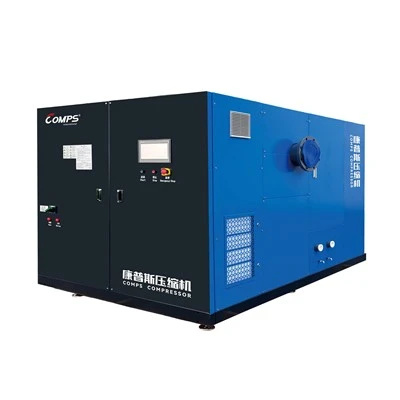
For example, Permanent Magnet Screw Compressor often have better seals and coatings that can resist moisture. They're also more energy - efficient, which can save you money in the long run.
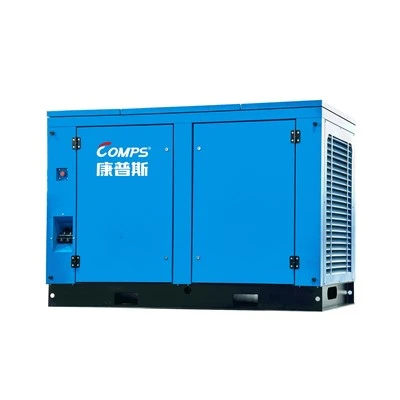
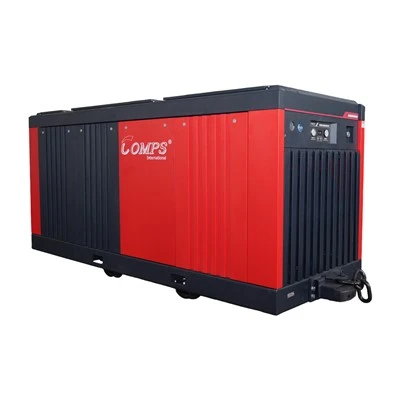
If you're in the chemical industry, an Air Compressor for Chemical may have additional features to protect against humidity and chemical exposure. And if you need a portable option, a Towable Diesel Air Compressor can be a good fit, but make sure to take extra precautions to protect it from moisture during storage.
Monitoring Humidity
Invest in a humidity monitor to keep an eye on the humidity levels in the area where your air compressor is located. This will allow you to take action if the humidity gets too high. Some advanced humidity monitors can even be connected to an alarm system, so you'll be alerted immediately if there's a problem.
Training and Education
Make sure that anyone who operates or maintains the air compressor is properly trained on how to protect it from humidity. They should know how to use the air dryer, drain the moisture, and perform regular inspections. By educating your staff, you can ensure that the compressor is well - cared for and lasts for a long time.
In conclusion, protecting your air compressor from humidity is all about taking proactive steps. From choosing the right location and using air dryers to regular maintenance and choosing the appropriate compressor, there are many things you can do.
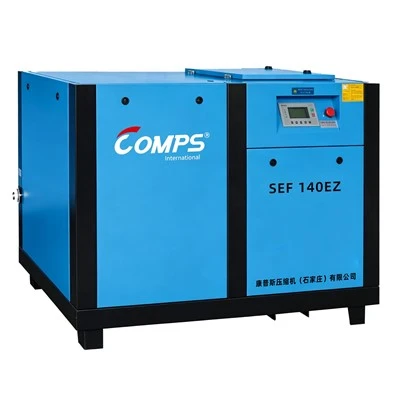
If you're in the market for a new air compressor or need advice on protecting your existing one from humidity, don't hesitate to reach out. We're here to help you find the best solution for your needs. You can explore our wide range of products, including Fixed Speed Air Compressor, and see which one is right for you. Contact us today to start a conversation about your air compressor requirements!
References
- Compressed Air and Gas Institute. Best Practices for Compressed Air Systems.
- Manufacturer's manuals for various air compressor models.
- Industry research articles on air compressor maintenance and protection against humidity.