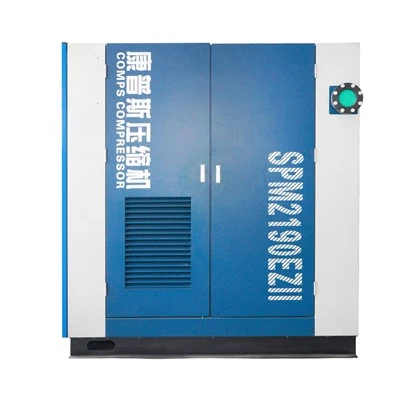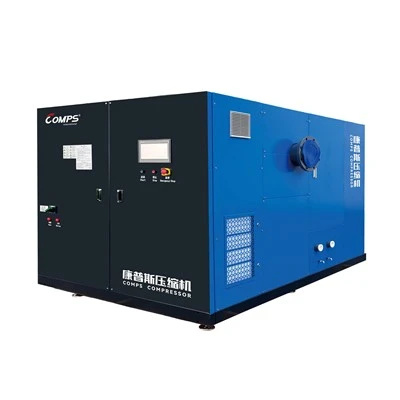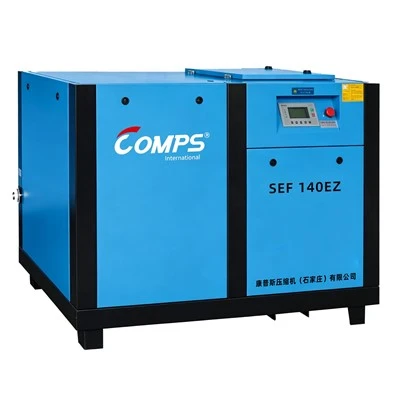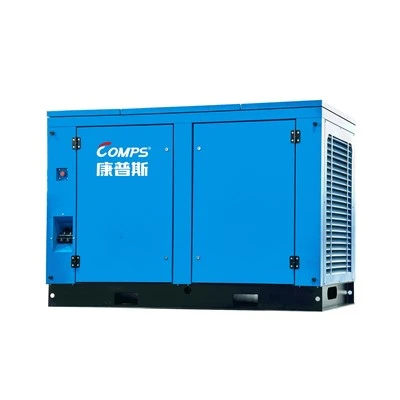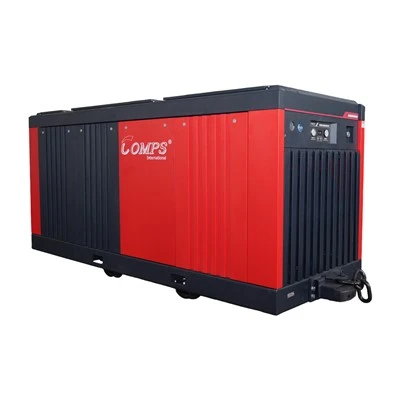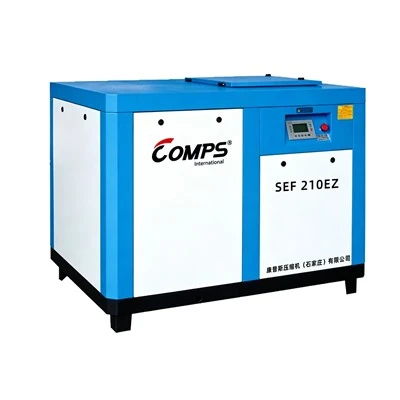
Hey there! As a supplier of Inverter Two Stage Screw Air Compressors, I've seen my fair share of issues with these machines. In this blog, I'll share some tips on how to troubleshoot common problems you might encounter with an Inverter Two Stage Screw Air Compressor.
1. Understanding the Basics
Before we dive into troubleshooting, it's important to have a basic understanding of how an Inverter Two Stage Screw Air Compressor works. These compressors are designed to compress air in two stages, which helps improve efficiency and reduce energy consumption. The inverter technology allows the compressor to adjust its speed according to the demand, further optimizing energy use.


2. No Power or Won't Start
One of the most common issues is when the compressor won't start or has no power. Here are some things to check:
- Power Supply: First, make sure the compressor is properly plugged in and the power switch is turned on. Check if there's power at the outlet by plugging in another device. If there's no power, check the circuit breaker or fuse box.
- Control Panel: Look at the control panel for any error messages. Sometimes, a simple reset can solve the problem. If there's an error code, refer to the user manual to understand what it means.
- Motor Overload: The motor might be overloaded. Check if the compressor has been running for an extended period without a break. Let it cool down for a while and then try starting it again.
3. Low Air Pressure
If the compressor is running but the air pressure is lower than expected, here are some possible causes:
- Leakage: Check for air leaks in the system. You can use a soapy water solution and apply it to the connections, hoses, and valves. If you see bubbles forming, there's a leak. Tighten the connections or replace the faulty parts.
- Filter Blockage: A clogged air filter can restrict the airflow, leading to low air pressure. Check the air filter and replace it if it's dirty.
- Worn Seals: Over time, the seals in the compressor can wear out, causing air to leak internally. Inspect the seals and replace them if necessary.
4. Excessive Noise or Vibration
Unusual noise or vibration can indicate a problem with the compressor. Here's what you can do:
- Belt Tension: If the compressor has a belt-driven system, check the belt tension. A loose or worn belt can cause noise and vibration. Adjust or replace the belt as needed.
- Loose Components: Look for any loose bolts, nuts, or other components. Tighten them to reduce the vibration.
- Internal Damage: If the noise is coming from inside the compressor, it could be a sign of internal damage, such as a worn bearing or a damaged screw element. In this case, it's best to contact a professional technician.
5. High Operating Temperature
A high operating temperature can damage the compressor and reduce its lifespan. Here are some steps to take:
- Cooling System: Check the cooling system, including the radiator and fan. Make sure they're clean and free of debris. If the radiator is blocked, clean it using compressed air or a soft brush.
- Oil Level: Low oil level can cause the compressor to overheat. Check the oil level and add oil if necessary. Make sure to use the recommended oil type.
- Ambient Temperature: The compressor might be operating in a high-temperature environment. Try to move it to a cooler location or improve the ventilation in the area.
6. Other Considerations
- Maintenance Schedule: Regular maintenance is crucial for the proper functioning of the compressor. Follow the manufacturer's maintenance schedule, which includes tasks such as oil changes, filter replacements, and inspections.
- Documentation: Keep all the documentation related to the compressor, including the user manual, maintenance records, and warranty information. This will be helpful when troubleshooting or when you need to contact the manufacturer.
Products Related to Inverter Two Stage Screw Air Compressor
As a supplier, we also offer other types of air compressors that might be of interest to you. Check out our Water-Lubricated Oil-Free Screw Air Compressor, Single Stage Screw Compressor, Dust Explosion Proof Air Compressor, Inverter Single Stage Air Compressor, and Electric Driven Air Compressor.
Contact Us
If you're experiencing problems with your Inverter Two Stage Screw Air Compressor that you can't solve on your own, or if you're interested in purchasing a new compressor or any of our related products, feel free to get in touch. We're here to help you with all your air compressor needs and guide you through the purchasing process.
References
- Manufacturer's user manual for Inverter Two Stage Screw Air Compressor
- Industry best practices for air compressor maintenance and troubleshooting