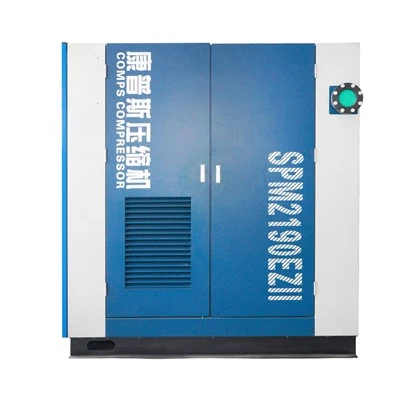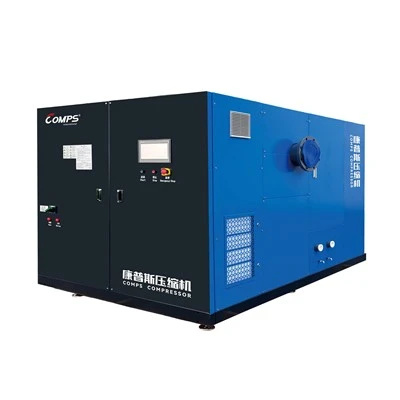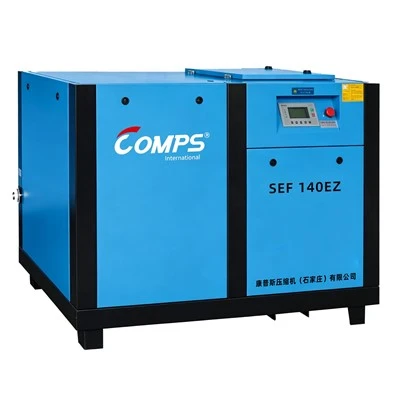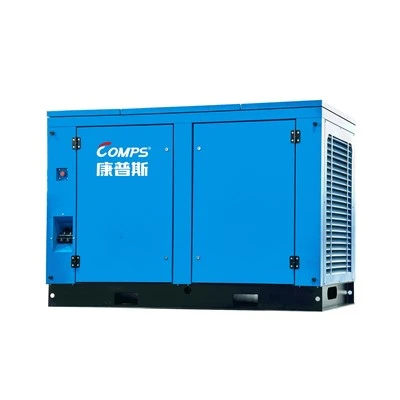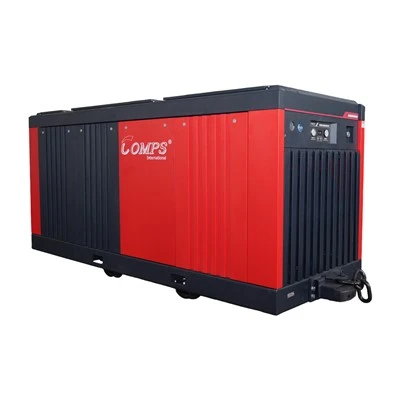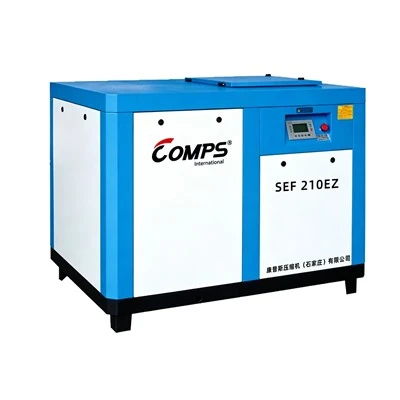
As a supplier of Ultra High Pressure Air Compressors, I understand the critical importance of electrical safety in the operation of these powerful machines. Electrically-driven ultra high pressure air compressors are complex pieces of equipment that require strict adherence to electrical safety requirements to ensure the well-being of operators, the longevity of the equipment, and the overall safety of the working environment.
1. Electrical Installation and Wiring
The first step in ensuring electrical safety for an electrically-driven ultra high pressure air compressor is proper installation and wiring. The compressor should be installed by a qualified electrician who is familiar with local electrical codes and regulations. The electrical supply must be appropriate for the compressor's power requirements, including the correct voltage, current, and phase.
- Correct Voltage and Current: The compressor's motor is designed to operate within a specific voltage and current range. Using an incorrect voltage can lead to overheating, motor damage, or even electrical fires. It is essential to check the compressor's nameplate for the required voltage and current ratings and ensure that the electrical supply matches these specifications.
- Proper Wiring: All electrical wiring should be installed in a manner that prevents damage, such as abrasion, crushing, or exposure to moisture. Wiring should be routed away from moving parts, sharp edges, and sources of heat. Additionally, all connections should be securely tightened to prevent loose connections, which can cause arcing and overheating.
2. Grounding
Grounding is a crucial aspect of electrical safety for any electrical equipment, including ultra high pressure air compressors. A proper grounding system provides a path for electrical current to flow safely to the ground in the event of a fault, such as a short circuit.
- Grounding Requirements: The compressor should be grounded in accordance with local electrical codes. This typically involves connecting the compressor's frame to a grounding electrode, such as a ground rod or a metal water pipe. The grounding conductor should be of an appropriate size to carry the fault current safely.
- Benefits of Grounding: Grounding helps to protect operators from electric shock by diverting electrical current away from the compressor's frame. It also helps to prevent damage to the compressor and other electrical equipment by providing a low-resistance path for fault current.
3. Overcurrent Protection
Overcurrent protection is necessary to prevent damage to the compressor's electrical components in the event of an overcurrent condition, such as a short circuit or an overload.
- Fuses and Circuit Breakers: Fuses and circuit breakers are commonly used for overcurrent protection. Fuses are designed to melt and break the circuit when the current exceeds a certain value, while circuit breakers are designed to trip and open the circuit when the current exceeds a preset limit. The type and rating of the fuses or circuit breakers should be selected based on the compressor's power requirements.
- Regular Inspection: Fuses and circuit breakers should be inspected regularly to ensure that they are in good working condition. Damaged or blown fuses should be replaced immediately with fuses of the correct rating.
4. Electrical Enclosures
Electrical enclosures are used to protect the compressor's electrical components from dust, moisture, and other environmental factors. They also help to prevent access to live electrical parts by operators and other personnel.
- Enclosure Rating: The electrical enclosure should be rated for the specific environment in which the compressor is installed. For example, in a dusty or dirty environment, a dust-tight enclosure may be required. In a wet or corrosive environment, a waterproof or corrosion-resistant enclosure may be necessary.
- Proper Sealing: The enclosure should be properly sealed to prevent the entry of dust, moisture, and other contaminants. All access doors and panels should be closed and latched securely.
5. Electrical Safety Devices
In addition to overcurrent protection, there are other electrical safety devices that can be used to enhance the safety of an electrically-driven ultra high pressure air compressor.
- Emergency Stop Buttons: Emergency stop buttons should be installed in a prominent location near the compressor. These buttons allow operators to quickly shut off the compressor in the event of an emergency.
- Pressure Switches: Pressure switches are used to monitor the pressure in the compressor's system. They can be set to automatically shut off the compressor if the pressure exceeds a certain limit, preventing overpressure conditions.
- Thermal Overload Relays: Thermal overload relays are used to protect the compressor's motor from overheating. They monitor the temperature of the motor and automatically shut off the power if the temperature exceeds a safe limit.
6. Maintenance and Inspection
Regular maintenance and inspection are essential to ensure the continued safe operation of an electrically-driven ultra high pressure air compressor.
- Scheduled Maintenance: A maintenance schedule should be established for the compressor, including tasks such as lubrication, filter replacement, and electrical system checks. Regular maintenance helps to prevent breakdowns and ensures that the compressor operates efficiently.
- Inspection: The compressor's electrical system should be inspected regularly for signs of damage, wear, or loose connections. Any issues should be addressed immediately to prevent further damage or safety hazards.
7. Operator Training
Proper operator training is crucial for ensuring the safe operation of an electrically-driven ultra high pressure air compressor. Operators should be trained on the compressor's electrical safety features, including how to use emergency stop buttons, pressure switches, and thermal overload relays.
- Training Programs: Training programs should be developed and implemented for all operators of the compressor. These programs should cover topics such as electrical safety, compressor operation, and maintenance procedures.
- Safety Awareness: Operators should be made aware of the potential electrical hazards associated with the compressor and the importance of following safety procedures at all times.
Our Product Range
As a leading supplier of Ultra High Pressure Air Compressors, we offer a wide range of products to meet the diverse needs of our customers. Our product range includes IECEx Certified Explosion Proof Air Compressors, Normal-Pressure PM Inverter Air Compressors, Industrial Stationary Air Compressor, Inverter Screw Air Compressor, and Two Stage Screw Air Compressor. All of our products are designed and manufactured to the highest standards of quality and safety, ensuring reliable performance and long service life.


Contact Us for Purchase and Consultation
If you are interested in purchasing an ultra high pressure air compressor or have any questions about our products or electrical safety requirements, please feel free to contact us. Our team of experts is ready to assist you in selecting the right compressor for your needs and providing you with the necessary information and support.
References
- Electrical Safety Standards for Industrial Equipment, National Fire Protection Association (NFPA)
- Electrical Installation Guidelines, International Electrotechnical Commission (IEC)
- Air Compressor Manufacturer's Manuals