When it comes to industrial operations, diesel air compressors are indispensable tools. As a reliable diesel air compressor supplier, we understand the importance of safety when using these powerful machines. In this blog, we'll delve into the essential safety precautions that every user should follow to ensure a secure working environment.
Pre - operation Safety Checks
Before starting the diesel air compressor, a series of thorough checks are crucial. First, examine the physical condition of the compressor. Inspect the unit for any visible damage such as cracks in the housing, loose fittings, or frayed wires. A damaged compressor can pose significant safety risks, including electrical hazards and mechanical failures.
Next, check the oil level. Diesel air compressors rely on proper lubrication to function smoothly. Low oil levels can lead to overheating and excessive wear on internal components. Refer to the manufacturer's manual to determine the correct oil type and the appropriate level. It's also important to check the coolant level if the compressor is water - cooled. Insufficient coolant can cause the engine to overheat, potentially leading to a breakdown or even a fire.
The air intake filter is another vital component to inspect. A clogged air filter restricts airflow, reducing the compressor's efficiency and increasing the risk of engine damage. Clean or replace the air filter as recommended by the manufacturer. Additionally, check the fuel level and ensure that the fuel tank is free from any contaminants. Contaminated fuel can cause engine problems and affect the compressor's performance.
Electrical and Fuel Safety
Diesel air compressors often have electrical components that require careful handling. When connecting the compressor to a power source, make sure the power supply matches the compressor's electrical requirements. Use only properly grounded electrical cords and outlets to prevent electrical shock. Avoid using damaged cords or connecting multiple high - power devices to the same circuit, as this can cause overloading and potentially lead to a fire.
Since diesel is a flammable liquid, fuel safety is of utmost importance. Always store diesel fuel in approved containers and in a well - ventilated area away from heat sources and open flames. When refueling the compressor, turn it off and allow it to cool down completely. Avoid spills, and if a spill occurs, clean it up immediately using absorbent materials.
Operational Precautions
During operation, it's essential to follow proper operating procedures. Start the compressor according to the manufacturer's instructions. Do not overload the compressor by exceeding its rated capacity. Overloading can cause the compressor to overheat, damage internal components, and increase the risk of safety incidents.
Monitor the compressor's gauges regularly. Keep an eye on the pressure gauge to ensure that the air pressure remains within the safe operating range. High - pressure air can cause hoses and fittings to burst, leading to serious injuries. If the pressure exceeds the recommended limit, stop the compressor immediately and investigate the cause.


The compressor should be placed on a stable and level surface. Vibration can cause the compressor to move or tip over, especially if it is operating at high speeds. Secure the compressor in place if necessary to prevent any accidental movement.
Ventilation
Proper ventilation is crucial when using a diesel air compressor. Diesel engines produce exhaust fumes that contain harmful gases such as carbon monoxide, nitrogen oxides, and particulate matter. These fumes can be extremely dangerous if inhaled in high concentrations.
Operate the compressor in a well - ventilated area, preferably outdoors. If the compressor must be used indoors, ensure that there is adequate ventilation through exhaust fans or open doors and windows. Install carbon monoxide detectors in the area to monitor the levels of this odorless and colorless gas.
Hose and Fitting Safety
The hoses and fittings used with the diesel air compressor are critical for safe operation. Inspect hoses regularly for signs of wear, such as cracks, cuts, or bulges. Replace any damaged hoses immediately. Make sure that all fittings are tightly secured to prevent air leaks.
When connecting or disconnecting hoses, release the pressure in the system first. High - pressure air can cause hoses to whip around if suddenly released, posing a significant safety hazard. Use proper tools to connect and disconnect fittings, and do not force them if they do not fit properly.
Maintenance and Inspection
Regular maintenance and inspection are key to ensuring the safe and efficient operation of the diesel air compressor. Follow the manufacturer's recommended maintenance schedule, which typically includes tasks such as oil changes, filter replacements, and belt adjustments.
During maintenance, always turn off the compressor and disconnect it from the power source. Use appropriate safety gear, such as gloves and safety glasses, when working on the compressor. Keep the compressor clean and free from debris, as dirt and dust can accumulate and affect its performance.
Personnel Safety
All personnel operating or working near the diesel air compressor should be properly trained. Training should cover topics such as safe operating procedures, emergency response, and the proper use of personal protective equipment (PPE).
PPE is essential for protecting workers from potential hazards. Workers should wear safety glasses to protect their eyes from flying debris, ear protection to reduce the risk of hearing damage from the compressor's noise, and gloves to protect their hands. In some cases, respiratory protection may also be required, especially when working in areas with poor ventilation.
Emergency Preparedness
Despite taking all the necessary safety precautions, emergencies can still occur. It's important to have an emergency plan in place. This plan should include procedures for shutting down the compressor in case of an emergency, such as a fire or a mechanical failure.
Have fire extinguishers located nearby and ensure that all personnel know how to use them. Know the location of the nearest first - aid kit and emergency exits. In the event of an accident or injury, provide immediate first - aid and contact emergency services if necessary.
Our Product Range
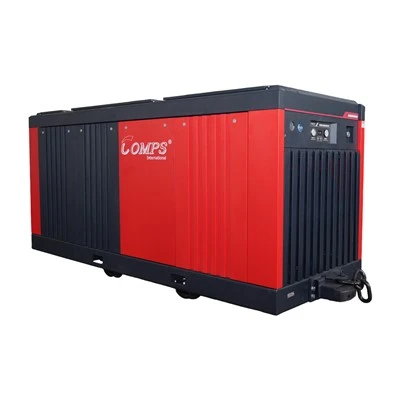
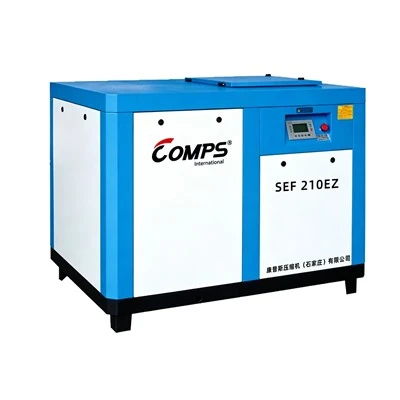
As a leading diesel air compressor supplier, we offer a wide range of high - quality products. Our Mobile Screw Compressor is designed for maximum portability and efficiency, making it ideal for various on - site applications. The Dry Oil Free Air Compressor provides clean and oil - free air, which is essential for applications where air purity is critical.
Our Energy Efficient Screw Air Compressor is engineered to reduce energy consumption without compromising on performance. The Diesel Mobile Air Compressor is a reliable choice for mobile operations, offering high - power output and durability. And for smaller - scale applications, we have the Small Diesel Air Compressor, which combines compact size with excellent performance.
If you're interested in our diesel air compressors or have any questions about safety precautions, we encourage you to contact us for procurement and further discussions. Our team of experts is ready to assist you in finding the right compressor for your needs and ensuring that you operate it safely.
References
- Manufacturer's manuals of diesel air compressors
- Occupational Safety and Health Administration (OSHA) guidelines on industrial equipment safety
- Industry standards for air compressor operation and maintenance