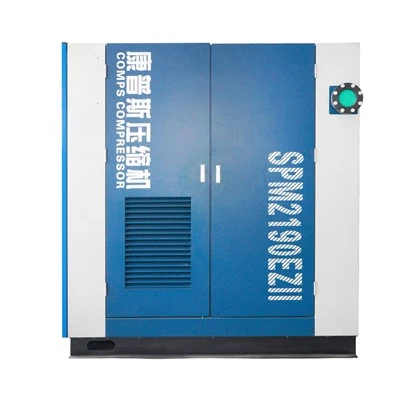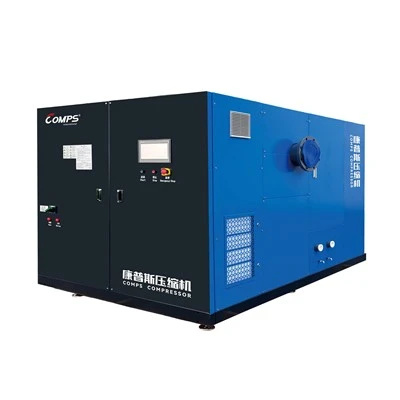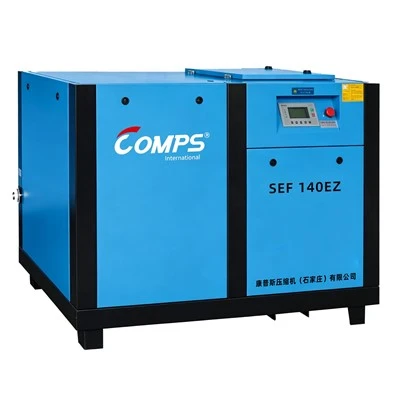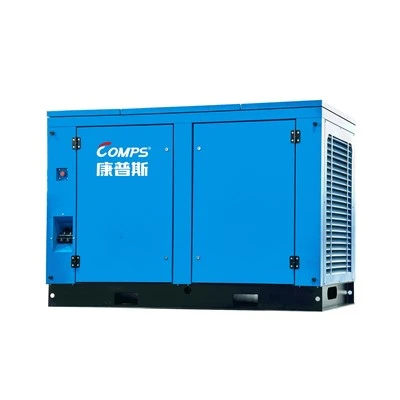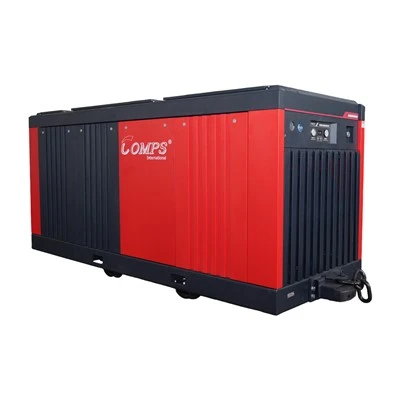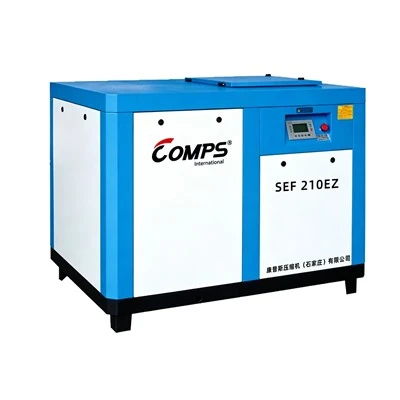
Hey there! As a supplier of Oil Injected Screw Air Compressors, I've had my fair share of customers asking about the differences between single - stage and two - stage oil injected screw air compressors. So, I thought I'd write this blog to clear things up.
Let's start with the basics. An Oil Injected Screw Air Compressor is a type of compressor that uses two meshing helical screws to compress air. The oil injection serves multiple purposes, like lubricating the screws, sealing gaps between the rotors and the housing, and cooling the compressed air.
Single - Stage Oil Injected Screw Air Compressors
Single - stage compressors do exactly what the name suggests. They compress the air in one go. The air enters the compressor and is compressed to the desired pressure in a single compression chamber.
Advantages
- Simplicity: They're relatively simple in design. There's only one set of screws and one compression chamber, which means fewer parts. This simplicity often translates to lower initial costs. If you're on a tight budget, a single - stage compressor might be the way to go.
- Compactness: Since they have a simpler design, single - stage compressors are usually more compact. They take up less space in your workshop or industrial facility. This is great if you're short on space.
Disadvantages
- Efficiency: Single - stage compressors aren't as efficient as their two - stage counterparts, especially when it comes to high - pressure applications. As the air is compressed in one go, it heats up significantly. This heat not only causes energy losses but also puts more stress on the compressor components, reducing their lifespan.
- Pressure Limitations: They have a limited pressure range. If you need a high - pressure output, say for applications like Ultra High Pressure Air Compressor requirements, a single - stage compressor might not be able to deliver.
Two - Stage Oil Injected Screw Air Compressors
Two - stage compressors, on the other hand, compress the air in two steps. The air first enters the low - pressure stage, where it's compressed to an intermediate pressure. Then, it moves on to the high - pressure stage, where it's compressed further to the final desired pressure.
Advantages
- Efficiency: One of the biggest advantages of two - stage compressors is their efficiency. By compressing the air in two stages, the heat generated during compression is reduced. This means less energy is wasted, and the compressor can operate more efficiently. Over time, this can lead to significant cost savings on your energy bills.
- Higher Pressure Capability: Two - stage compressors can achieve much higher pressures compared to single - stage compressors. This makes them suitable for a wider range of applications, including those that require high - pressure air, such as in some industrial manufacturing processes or Natural Gas Air Compressor systems.
- Longer Lifespan: The reduced heat and stress on the components in a two - stage compressor mean that they tend to have a longer lifespan. You won't have to replace parts as often, which can save you money in the long run.
Disadvantages
- Higher Initial Cost: The more complex design of two - stage compressors means that they usually come with a higher price tag. If you have a limited budget and don't need high - pressure capabilities, a single - stage compressor might be a more cost - effective option.
- Larger Size: Two - stage compressors are generally larger and heavier than single - stage compressors. This can be a problem if you have limited space in your facility.
Applications
The choice between a single - stage and a two - stage compressor depends largely on the application.
Single - Stage Applications
- Small - Scale Workshops: If you have a small workshop where you only need low - to medium - pressure air for tasks like powering pneumatic tools, a single - stage compressor is usually sufficient.
- Home Use: For home garages or DIY projects, a single - stage compressor can provide enough air for basic tasks like inflating tires or using small airbrushes.
Two - Stage Applications
- Industrial Manufacturing: In industries where high - pressure air is required for processes like metalworking, painting, or operating heavy - duty pneumatic machinery, a two - stage compressor is the better choice.
- Large - Scale Construction: Construction sites often need high - pressure air for tasks like operating jackhammers and other heavy equipment. A two - stage compressor can meet these demands.
Maintenance
Both single - stage and two - stage oil injected screw air compressors require regular maintenance to ensure optimal performance and longevity.
Single - Stage Maintenance
- Oil Changes: Regular oil changes are essential to keep the compressor lubricated and running smoothly.
- Filter Replacements: The air intake and oil filters should be replaced regularly to prevent dirt and debris from entering the compressor.
Two - Stage Maintenance
- More Complex Maintenance: In addition to the basic maintenance tasks like oil changes and filter replacements, two - stage compressors may require more complex maintenance due to their additional components. For example, the intercooler between the two stages needs to be inspected and cleaned regularly to ensure efficient heat transfer.
Energy Consumption
As mentioned earlier, two - stage compressors are generally more energy - efficient than single - stage compressors. However, the actual energy consumption also depends on factors like the compressor's size, the operating pressure, and the duty cycle.
Single - Stage Energy Consumption
- Higher Energy Use: Single - stage compressors tend to use more energy, especially when operating at high pressures. The heat generated during compression causes energy losses, and the compressor has to work harder to achieve the desired pressure.
Two - Stage Energy Consumption
- Lower Energy Use: Two - stage compressors are designed to minimize heat generation and energy losses. By compressing the air in two stages, they can operate more efficiently, resulting in lower energy consumption.
Noise Levels
Noise can be a significant factor, especially in environments where people are working nearby.
Single - Stage Noise
- Louder Operation: Single - stage compressors are often louder than two - stage compressors. The high - speed compression process and the heat generated can cause more noise.
Two - Stage Noise
- Quieter Operation: Two - stage compressors are generally quieter because the compression process is spread out over two stages, reducing the stress on the components and the noise generated.
Which One Should You Choose?
So, which type of compressor is right for you? It really depends on your specific needs.


- Budget: If you're on a tight budget and only need low - to medium - pressure air, a single - stage compressor might be the best option.
- Pressure Requirements: If you need high - pressure air for your applications, a two - stage compressor is the way to go.
- Space: If you have limited space, a single - stage compressor's compact size might be more suitable. But if space isn't an issue, a two - stage compressor can offer better performance.
If you're still not sure which type of compressor is right for your needs, feel free to reach out to us. We're here to help you make the best decision. Whether you're looking for a Two Stage Screw Air Compressor or an Electric Screw Air Compressor, we've got you covered. We can provide you with detailed information, product specifications, and even help you with installation and maintenance.
In conclusion, understanding the differences between single - stage and two - stage oil injected screw air compressors is crucial when making a purchasing decision. Each type has its own advantages and disadvantages, and the right choice depends on your specific requirements. So, take the time to evaluate your needs and don't hesitate to contact us if you have any questions. We're eager to assist you in finding the perfect compressor for your business.
References
- Compressor Handbook, various editions
- Industry reports on air compressor technology and applications