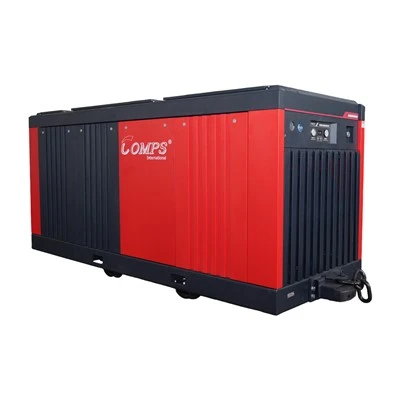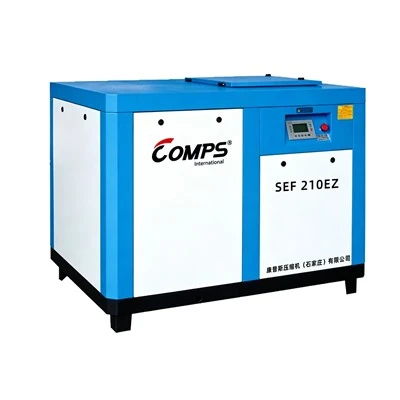
When dealing with industries that involve potentially explosive atmospheres, such as oil and gas, mining, chemical, and pharmaceutical sectors, the use of explosion-proof equipment is not just a preference but a strict necessity for safety. Among the crucial equipment in these environments is the explosion-proof air compressor. As a reliable supplier of explosion-proof air compressors, I understand the significance of meeting the transportation requirements to ensure the safe and efficient delivery of these specialized machines. In this blog post, I will delve into the key transportation requirements for explosion-proof air compressors.
Packaging and Protection
The first step in transporting an explosion-proof air compressor is proper packaging. These compressors are not only expensive but also highly sensitive. They are designed with special explosion-proof components that can be easily damaged if not protected. The packaging should be robust enough to withstand the rigors of transportation, including shocks, vibrations, and impacts.
We use high - quality wooden crates or steel containers for packaging our explosion - proof air compressors. The crates are custom - made to fit the dimensions of the compressor precisely. Inside the crate, we use shock - absorbing materials such as foam and rubber to cushion the compressor. This helps to minimize the risk of damage during loading, unloading, and transit.
Documentation
Accurate and complete documentation is essential for the transportation of explosion - proof air compressors. This includes the bill of lading, which details the quantity, weight, and description of the compressor. The bill of lading is a legal document that serves as a contract between the shipper and the carrier.
We also provide a safety data sheet (SDS) for the compressor. The SDS contains information about the compressor's components, potential hazards, and safety precautions. This is crucial for the carriers to handle the compressor safely, especially in case of an emergency. Additionally, we include the explosion - proof certification documents to prove that the compressor meets the required safety standards.
Compliance with Regulations
Explosion - proof air compressors are subject to strict regulations during transportation. Different countries and regions have their own sets of rules regarding the transportation of hazardous materials, even if the compressor is designed to be explosion - proof. For example, in Europe, the ATEX directive regulates equipment used in potentially explosive atmospheres. Our ATEX - Certified Explosion - Proof Air Compressors comply with these regulations, but we still need to ensure that the transportation process adheres to the local transport laws.
In the United States, the Department of Transportation (DOT) has specific guidelines for the transportation of high - risk equipment. We make sure that all our shipments comply with DOT regulations, which may include requirements for labeling, placarding, and the use of approved carriers.
Mode of Transportation
The choice of transportation mode depends on several factors, including the destination, delivery time, and the size and weight of the compressor. For local or regional deliveries, road transportation is often the most convenient option. We use specialized trucks equipped with shock - absorbing systems to transport our compressors safely.
For international shipments or long - distance deliveries, sea freight or air freight may be more suitable. Sea freight is cost - effective for large and heavy compressors. However, it has a longer transit time. Air freight, on the other hand, is much faster but more expensive. We work closely with our logistics partners to determine the most appropriate mode of transportation for each order.
Handling and Storage
During transportation, proper handling and storage of the explosion - proof air compressor are crucial. The compressor should be loaded and unloaded carefully using appropriate lifting equipment, such as cranes or forklifts. These equipment should be regularly inspected and maintained to ensure their safety and reliability.
When the compressor is in transit or in storage at intermediate locations, it should be stored in a dry, well - ventilated area. Exposure to moisture can cause corrosion of the compressor's components, which may affect its performance and safety. We also take measures to prevent unauthorized access to the compressor during storage to avoid any potential damage or tampering.
Transport Safety Precautions
In addition to the above requirements, there are several transport safety precautions that need to be taken. The compressor should be secured firmly during transportation to prevent it from shifting or falling. Straps and chains are used to fix the compressor in place inside the transport vehicle or container.
Carriers should also be trained on the proper handling of explosion - proof air compressors. They need to understand the potential risks associated with these compressors and how to respond in case of an emergency. For example, in case of a fire or a spill, they should know the correct procedures for extinguishing the fire and containing the spill.
Temperature and Environmental Conditions
Explosion - proof air compressors are sensitive to temperature and environmental conditions. Extreme temperatures can affect the performance of the compressor's components, such as the motor and the compressor head. During transportation, we ensure that the compressor is kept within its recommended temperature range.


In hot climates, we may use insulated containers or refrigerated trucks to keep the compressor cool. In cold climates, we may use heating systems to prevent the compressor from freezing. Humidity also needs to be controlled to prevent moisture from damaging the internal components of the compressor.
Types of Explosion - Proof Air Compressors in Transportation
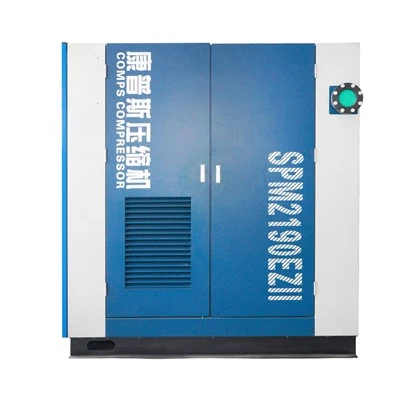
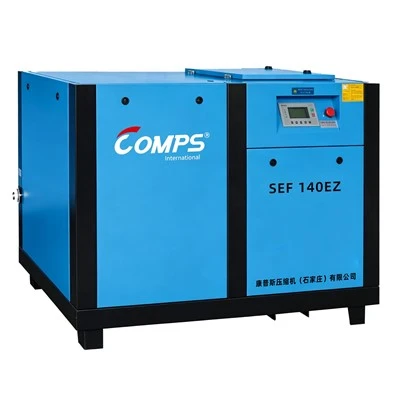
We offer a variety of explosion - proof air compressors, each with its own transportation considerations. For example, our Single Stage Screw Compressor is known for its high efficiency and reliability. Due to its relatively compact size, it is easier to transport compared to larger models. However, it still requires proper packaging and protection to avoid damage to its precision components.
Our Small Inverter Screw Air Compressors are designed for small - scale applications. They are more portable but still need to be handled with care during transportation. These compressors are often used in environments where space is limited, and their transportation should be planned to ensure easy access to the installation site.
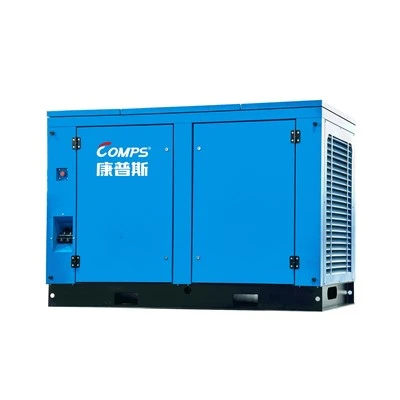
The Underground Mine Air Compressor is a heavy - duty machine designed for harsh mining environments. Its transportation requires specialized equipment and careful planning. The compressor needs to be able to withstand the rough terrain and harsh conditions during the journey to the mine site.
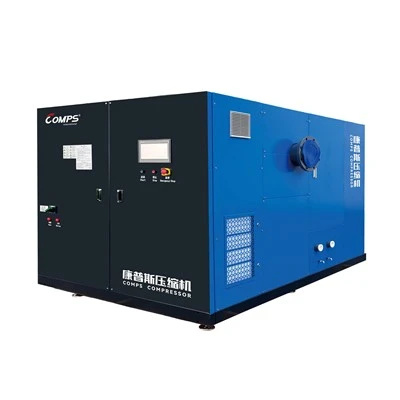
Our Precision Air Compressor is used in applications where high - quality compressed air is required. It contains sensitive components that need to be protected from vibrations and shocks during transportation to maintain its accuracy and performance.
Conclusion
Transporting explosion - proof air compressors is a complex process that requires careful attention to safety and compliance. From proper packaging and documentation to choosing the right mode of transportation and taking necessary safety precautions, every step is crucial to ensure the compressor reaches its destination in perfect condition.
As a supplier of explosion - proof air compressors, we are committed to providing our customers with high - quality products and reliable transportation services. We work closely with our logistics partners to meet all the transportation requirements and ensure the safe and timely delivery of our compressors.
If you are in the market for an explosion - proof air compressor and want to know more about our products and transportation services, we invite you to contact us for a detailed discussion. Our team of experts is ready to answer your questions and assist you in making the right choice for your needs.
References
- International Maritime Dangerous Goods (IMDG) Code.
- Department of Transportation (DOT) Regulations.
- ATEX Directive 2014/34/EU.