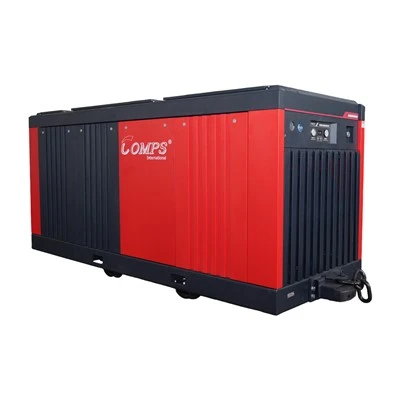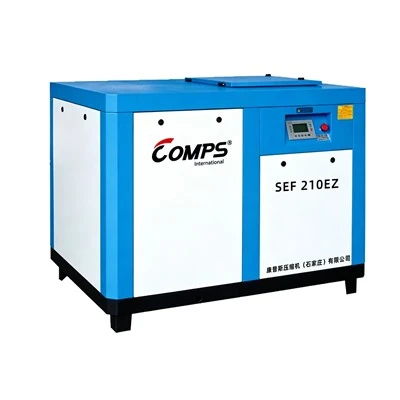
Hey there! As a supplier of Oil Free Screw Blowers, I often get asked about the noise reduction technology used in these nifty machines. In this blog, I'm gonna break it down for you in a simple way, so you can understand how these blowers keep the noise down while doing their job.
Why Noise Reduction Matters
First off, let's talk about why noise reduction is such a big deal. In industrial settings, loud noise can be a real pain. It not only affects the comfort of workers but can also lead to long - term hearing problems. Plus, in some areas, there are strict noise regulations that companies have to follow. That's where oil - free screw blowers with good noise reduction technology come in handy. They can operate efficiently without creating a racket.
The Basics of Oil Free Screw Blowers
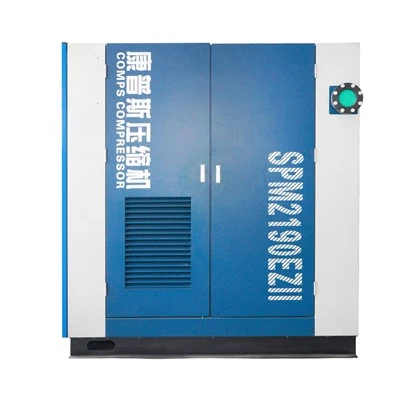
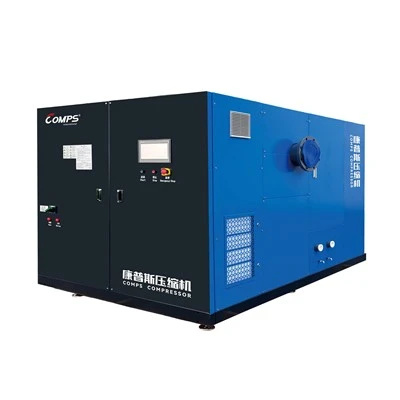
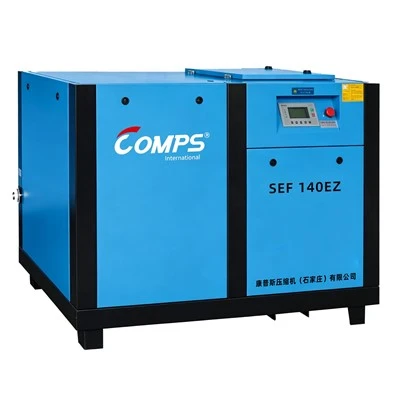
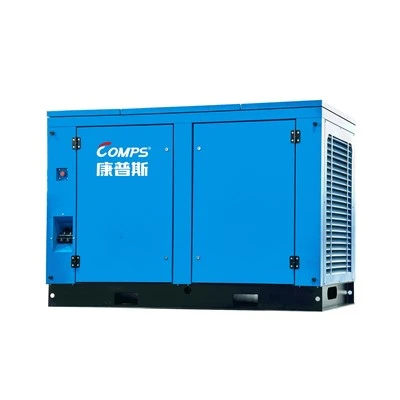
Before we dive into the noise reduction tech, let's quickly go over what an oil - free screw blower is. These blowers use a pair of rotors that mesh together to create a vacuum and compress air. Unlike traditional blowers that use oil for lubrication, oil - free screw blowers are designed to operate without oil. This makes them cleaner and more environmentally friendly. You can learn more about them on Oil Free Screw Blowers
Noise Sources in Oil Free Screw Blowers
There are a few main sources of noise in these blowers. The first is the mechanical noise from the rotors. As the rotors spin and mesh together, they create vibrations that can be heard as noise. Another source is the airflow noise. When air is compressed and forced through the blower, it can create a whistling or whooshing sound. Finally, there's also noise from the motor that powers the blower.
Noise Reduction Technologies
1. Sound - Insulating Enclosures
One of the most common ways to reduce noise in oil - free screw blowers is by using sound - insulating enclosures. These enclosures are made of special materials that can absorb and dampen sound waves. They are usually placed around the blower to create a barrier between the noisy components and the outside environment. The material used in these enclosures is carefully selected to have high sound absorption coefficients. For example, fiberglass or foam materials are often used because they can trap sound energy and convert it into heat.
2. Vibration Isolation
Vibrations from the rotors and the motor can transfer to the blower's frame and then to the surrounding environment, creating noise. That's why vibration isolation is important. Manufacturers use special mounts and pads to isolate the vibrating components from the rest of the blower. These mounts are made of rubber or other elastic materials that can absorb the vibrations. By reducing the transfer of vibrations, the overall noise level of the blower can be significantly decreased.
3. Aerodynamic Design
The design of the blower's airflow path can also have a big impact on noise. An aerodynamic design helps to reduce turbulence in the airflow, which in turn reduces the airflow noise. For example, the inlet and outlet of the blower can be designed with smooth curves to allow the air to flow more smoothly. Also, the shape and size of the rotors can be optimized to minimize the disturbance of the air as it is compressed.
4. Frequency Optimization
The motor and the mechanical components of the blower operate at certain frequencies. Sometimes, these frequencies can resonate with the surrounding environment, amplifying the noise. By optimizing the operating frequencies, manufacturers can avoid these resonance points. This can be done through variable frequency drives (VFDs) that allow the blower to adjust its speed and thus its operating frequency.


Comparing with Other Products
While oil - free screw blowers have effective noise reduction technologies, it's always interesting to compare them with other related products. For example, Air Compressor for Chemical may have different noise characteristics. Chemical air compressors often need to meet specific requirements for chemical - resistant materials and precise pressure control. Their noise levels can vary depending on the design and the type of compression used.
On the other hand, High - Pressure PM Inverter Air Compressors are designed for high - pressure applications. These compressors may have different noise reduction strategies compared to oil - free screw blowers. They often use advanced inverter technology to control the motor speed, which can also help in reducing noise by optimizing the operating conditions.
Low Pressure Screw Air Compressor and Electric Screw Air Compressor also have their own unique features. Low - pressure screw air compressors are designed for applications where low - pressure air is required, and their noise reduction may focus more on the low - end frequency range. Electric screw air compressors, as the name suggests, are powered by electricity and may use similar noise reduction techniques as oil - free screw blowers but may also have some differences due to the power source and the specific design requirements.
The Benefits of Our Oil Free Screw Blowers
At our company as a supplier, our oil - free screw blowers come with top - notch noise reduction technology. Our sound - insulating enclosures are made of the highest - quality sound - absorbing materials. Our vibration isolation systems are carefully designed to minimize the transfer of vibrations. And our aerodynamic designs ensure smooth airflow, reducing the noise caused by air turbulence.
Not only do our blowers meet the strictest noise regulations, but they also offer high - efficiency performance. They can provide a continuous and stable supply of compressed air while keeping the noise down to a minimum. Whether you're using them in a small workshop or a large industrial plant, our oil - free screw blowers are a great choice.
Contact Us for Purchasing
If you're in the market for an oil - free screw blower with excellent noise reduction technology, don't hesitate to contact us. We're here to answer all your questions and help you find the right blower for your specific needs. Whether you have a small - scale operation or a large - scale industrial application, we've got you covered.
References
- "Industrial Air Compressor Handbook"
- "Noise Reduction Techniques in Mechanical Equipment"
- "Aerodynamics of Compressors and Blowers"