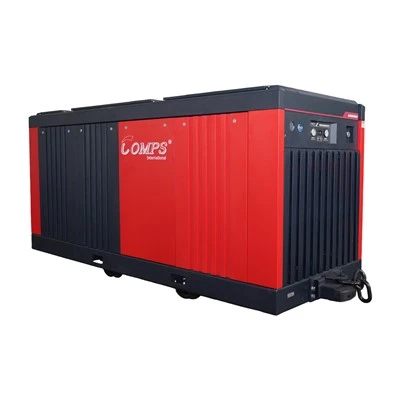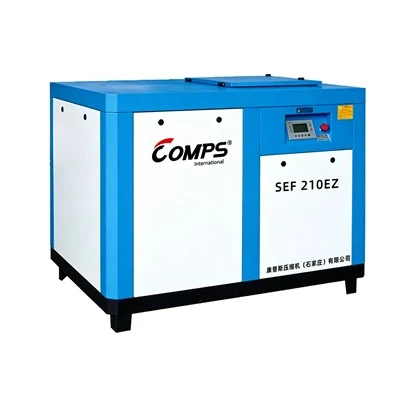
Can a low pressure screw air compressor be connected to multiple devices?
As a supplier of low pressure screw air compressors, I often get asked whether these compressors can be connected to multiple devices. This is a crucial question for many businesses, especially those looking to optimize their operations and make the most of their air compressor investment. In this blog post, I'll delve into the details of connecting a low pressure screw air compressor to multiple devices, exploring the technical aspects, benefits, challenges, and best practices.
Technical Feasibility
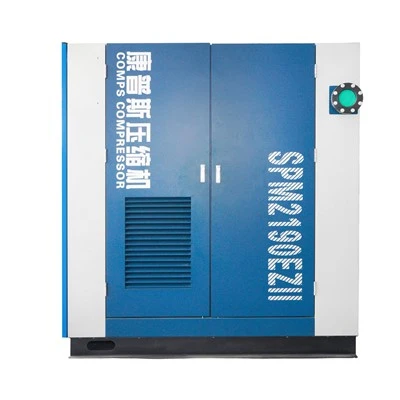
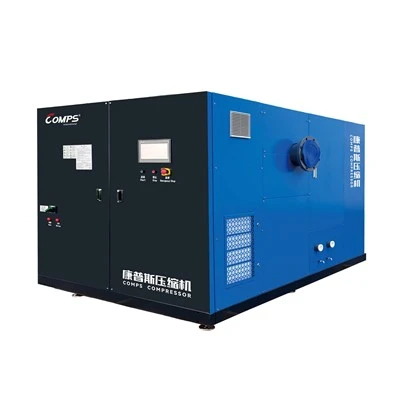
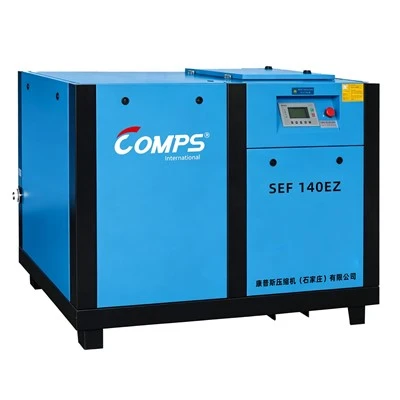
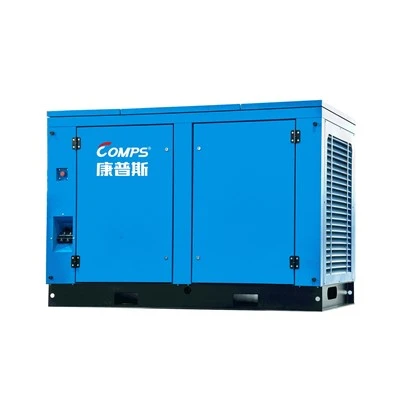
Low pressure screw air compressors are designed to provide a continuous supply of compressed air at relatively low pressures, typically ranging from 3 to 10 bar. These compressors work by using two meshing screws to compress the air, which is then stored in a receiver tank before being distributed to the connected devices.
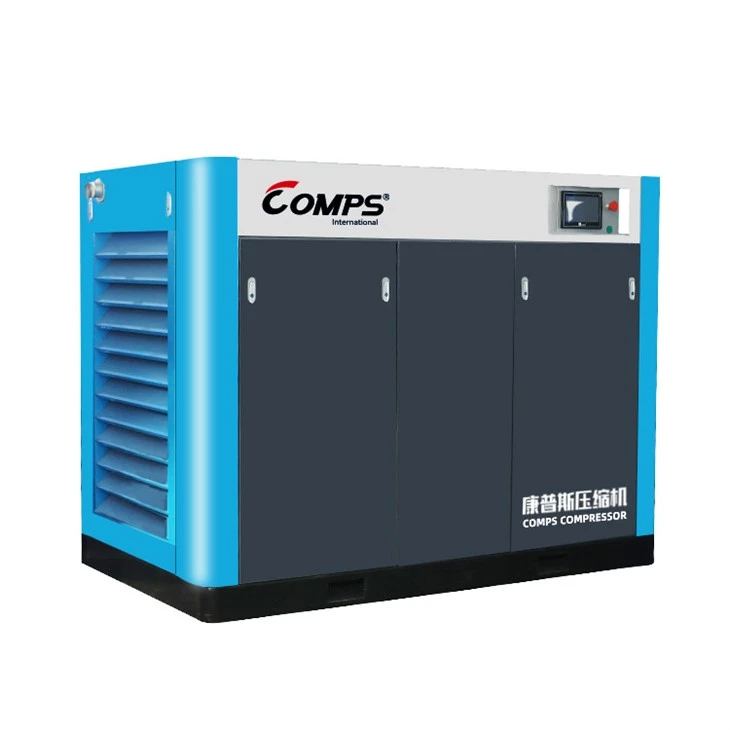
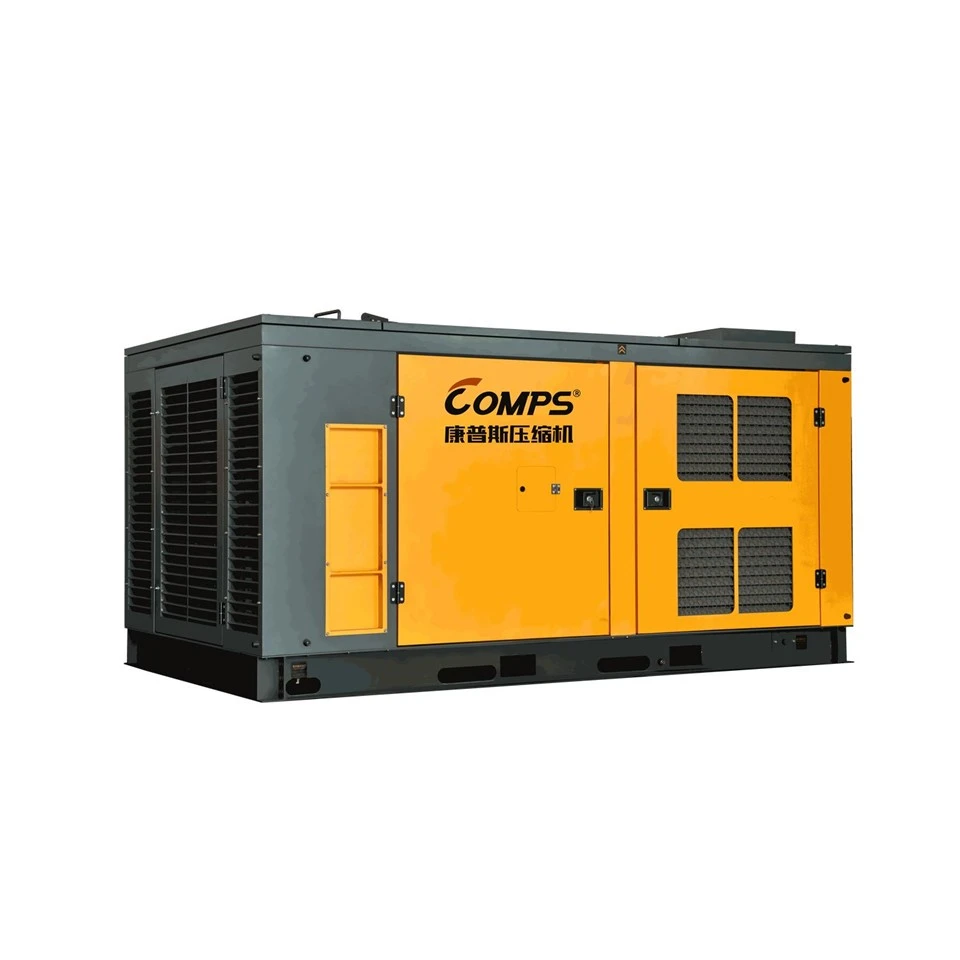
The technical feasibility of connecting a low pressure screw air compressor to multiple devices depends on several factors, including the compressor's capacity, the air consumption requirements of the devices, and the pressure and flow rate needed. In general, if the compressor has sufficient capacity to meet the combined air demand of all the connected devices, it is possible to connect them.
For example, let's say you have a low pressure screw air compressor with a capacity of 10 cubic meters per minute (m³/min) and you want to connect three devices: a pneumatic tool that consumes 2 m³/min, a packaging machine that consumes 3 m³/min, and a conveyor system that consumes 4 m³/min. The total air consumption of these devices is 9 m³/min, which is less than the compressor's capacity. Therefore, it is technically feasible to connect all three devices to the compressor.
However, it's important to note that the compressor's capacity may be affected by factors such as ambient temperature, humidity, and altitude. These factors can reduce the compressor's efficiency and output, so it's essential to choose a compressor with a sufficient margin of capacity to account for these variables.
Benefits of Connecting Multiple Devices
Connecting a low pressure screw air compressor to multiple devices offers several benefits for businesses. Here are some of the key advantages:
- Cost Savings: By using a single compressor to supply air to multiple devices, businesses can reduce their energy consumption and operating costs. This is because a single compressor is more efficient than multiple smaller compressors, and it can be sized to meet the overall air demand of the connected devices.
- Space Optimization: Connecting multiple devices to a single compressor can also save space in the workplace. Instead of having multiple compressors scattered throughout the facility, a single compressor can be installed in a central location, freeing up valuable floor space.
- Simplified Maintenance: With a single compressor, businesses can simplify their maintenance and servicing requirements. They only need to monitor and maintain one compressor, rather than multiple compressors, which can reduce the time and cost associated with maintenance.
- Improved Air Quality: A low pressure screw air compressor can provide a consistent supply of clean, dry air to the connected devices. This can improve the performance and reliability of the devices, as well as reduce the risk of damage and downtime.
Challenges and Considerations
While connecting a low pressure screw air compressor to multiple devices offers many benefits, there are also some challenges and considerations that businesses need to be aware of. Here are some of the key factors to keep in mind:
- Air Distribution: Proper air distribution is essential when connecting multiple devices to a single compressor. The compressor needs to be equipped with a suitable air distribution system, such as a network of pipes and valves, to ensure that the air is evenly distributed to all the connected devices.
- Pressure Regulation: Each device may have different pressure requirements, so it's important to ensure that the compressor is capable of providing the required pressure to each device. This may require the use of pressure regulators or other control devices to adjust the pressure as needed.
- Air Quality: Different devices may have different air quality requirements, so it's important to ensure that the compressor is equipped with appropriate air treatment equipment, such as filters and dryers, to provide clean, dry air to the connected devices.
- Load Balancing: When connecting multiple devices to a single compressor, it's important to ensure that the load is evenly distributed among the devices. This can help to prevent overloading the compressor and ensure that it operates efficiently.
Best Practices for Connecting Multiple Devices
To ensure the successful connection of a low pressure screw air compressor to multiple devices, here are some best practices that businesses should follow:
- Conduct a Detailed Air Demand Analysis: Before connecting multiple devices to a compressor, it's important to conduct a detailed air demand analysis to determine the total air consumption of the devices and the pressure and flow rate requirements. This will help you to choose the right compressor and ensure that it has sufficient capacity to meet the needs of all the connected devices.
- Install a Suitable Air Distribution System: A proper air distribution system is essential for ensuring that the air is evenly distributed to all the connected devices. This may include a network of pipes, valves, and fittings, as well as pressure regulators and other control devices.
- Use Appropriate Air Treatment Equipment: Different devices may have different air quality requirements, so it's important to use appropriate air treatment equipment, such as filters and dryers, to provide clean, dry air to the connected devices. This can help to improve the performance and reliability of the devices, as well as reduce the risk of damage and downtime.
- Monitor and Maintain the Compressor: Regular monitoring and maintenance of the compressor are essential for ensuring its efficient operation and longevity. This may include checking the oil level, filters, and other components, as well as performing routine maintenance tasks such as lubrication and cleaning.
- Consider the Future Expansion: When connecting multiple devices to a compressor, it's important to consider the future expansion of your business. You may need to add more devices or increase the air demand in the future, so it's important to choose a compressor with sufficient capacity to accommodate these changes.
Other Types of Air Compressors
In addition to low pressure screw air compressors, there are several other types of air compressors available on the market. Here are some of the most common types:
- Oil Free Screw Air Compressor: These compressors are designed to provide oil-free compressed air, which is essential for applications where oil contamination is a concern, such as food and beverage processing, pharmaceuticals, and electronics manufacturing.
- Oil Free Screw Blowers: These blowers are similar to oil free screw air compressors, but they are designed to provide a higher volume of air at a lower pressure. They are commonly used in applications such as wastewater treatment, pneumatic conveying, and fluidization.
- Explosion Proof Air Compressor: These compressors are designed to operate in hazardous environments where there is a risk of explosion, such as oil and gas refineries, chemical plants, and mines. They are equipped with special safety features to prevent the ignition of flammable gases and vapors.
- Dust Explosion Proof Air Compressor: These compressors are designed to operate in environments where there is a risk of dust explosion, such as grain handling facilities, woodworking shops, and powder coating operations. They are equipped with special safety features to prevent the ignition of dust particles.
- Electric Screw Air Compressor: These compressors are powered by electricity and are commonly used in industrial applications where a reliable and efficient source of compressed air is required. They are available in a range of sizes and capacities to meet the needs of different applications.
Conclusion
In conclusion, a low pressure screw air compressor can be connected to multiple devices, provided that the compressor has sufficient capacity to meet the combined air demand of all the connected devices. Connecting multiple devices to a single compressor offers several benefits, including cost savings, space optimization, simplified maintenance, and improved air quality. However, it's important to be aware of the challenges and considerations involved, such as air distribution, pressure regulation, air quality, and load balancing. By following the best practices outlined in this blog post, businesses can ensure the successful connection of a low pressure screw air compressor to multiple devices and optimize their operations.
If you're interested in learning more about low pressure screw air compressors or other types of air compressors, or if you have any questions about connecting multiple devices to a compressor, please don't hesitate to contact us. We're here to help you find the right solution for your business needs.
References
- Compressed Air and Gas Institute (CAGI). (2023). Compressed Air Handbook.
- ASME. (2019). ASME PTC 9-2019: Performance Test Code on Compressors and Exhausters.
- ISO. (2010). ISO 1217:2010, Compressors - Acceptance tests.