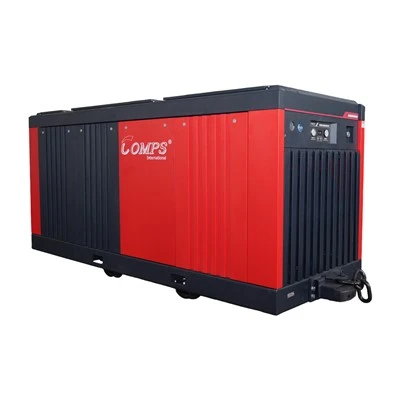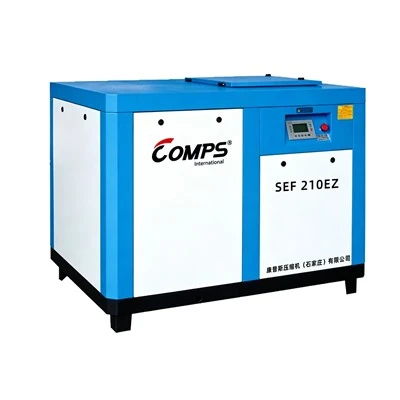
Hey there! As a diesel air compressor supplier, I get asked a lot of questions about these machines. One question that pops up quite often is, "What is the role of the belt in a diesel air compressor?" Well, let's dive into this topic and find out!
First off, the belt in a diesel air compressor has a super important job - it's all about power transmission. You see, the diesel engine in the compressor is like the heart of the system. It generates a whole bunch of power, but that power needs to get from the engine to the compressor pump to make the thing work. And that's where the belt comes in.
The belt acts as a bridge between the engine's crankshaft and the compressor pump's pulley. When the diesel engine starts running, the crankshaft spins. This spinning motion is transferred to the belt, which then makes the pulley on the compressor pump rotate. In simple terms, the belt takes the power from the engine and uses it to drive the compressor pump. Without the belt, the compressor pump wouldn't get the energy it needs to compress air, and the whole system would be useless.


Another big role of the belt is flexibility. Diesel air compressors come in all shapes and sizes, and so do their engine - pump setups. Sometimes, the engine and the compressor pump are not in a position where they can be directly connected. The belt allows for some flexibility in terms of the distance and alignment between the engine and the pump. It can be adjusted to fit different configurations, making it easier to design and manufacture these compressors.
But that's not all. The belt also acts as a safety feature in a way. If there's a sudden jam or blockage in the compressor pump, the belt might slip. This slippage prevents damage to the engine and other components. Instead of forcing the engine to keep trying to turn a stuck pump, the belt gives way, kind of like a safety valve. It helps to protect the expensive parts of the compressor from getting ruined.
Now, let's talk about the different types of belts used in diesel air compressors. There are usually two main types: V - belts and timing belts.
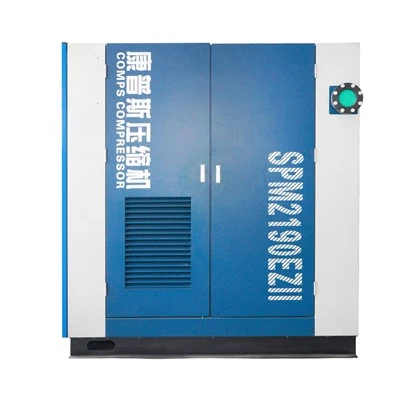
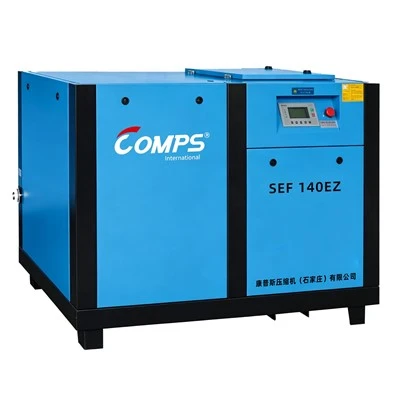
V - belts are the most common ones. They're shaped like a V, and this shape helps them grip the pulleys better. The V - shape creates more friction between the belt and the pulley, which means the power transfer is more efficient. They're also relatively easy to install and replace. If you're using a Stationary Screw Air Compressor or a Tow Behind Diesel Air Compressor, chances are it's using V - belts.
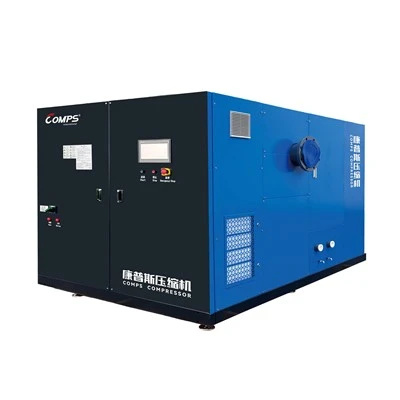
Timing belts, on the other hand, are more precise. They have teeth on them that fit into corresponding grooves on the pulleys. This ensures that the compressor pump and the engine are in sync. Timing is crucial in some air compressors, especially those that require a very specific compression cycle. You might find timing belts in Dry Oil Free Air Compressor or Mobile Screw Compressor where accuracy is key.
Of course, like any part of a machine, the belt needs proper maintenance. Over time, belts can wear out. They can stretch, crack, or lose their grip on the pulleys. Regular inspections are a must. You should check the belt's tension, look for any signs of damage, and make sure it's properly aligned. If you notice any issues, it's better to replace the belt sooner rather than later. A worn - out belt can lead to reduced efficiency, and in the worst - case scenario, it can cause the compressor to break down completely.
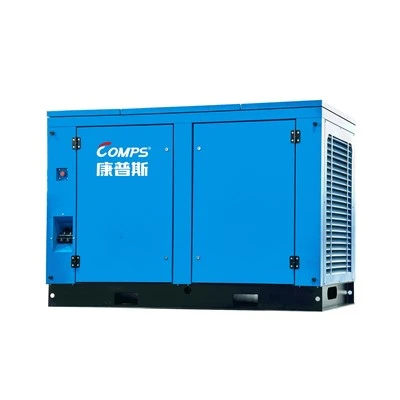
When it comes to buying a diesel air compressor, the quality of the belt matters. At our place, we only use high - quality belts in our Diesel Mobile Air Compressor and other models. We know that a good belt is essential for the long - term performance of the compressor. We also provide guidance on how to maintain the belts to our customers, so they can get the most out of their compressors.
If you're in the market for a diesel air compressor, or if you have any questions about the belts or other components, don't hesitate to reach out. We're here to help you make the right choice and understand how these machines work. Whether you're a small business owner looking for a reliable compressor for your shop or a large - scale industrial operation, we've got options that can meet your needs. Contact us today to start the conversation about which diesel air compressor is best for you, and let's get you the equipment you need to keep your operations running smoothly.
References:
- "Air Compressor Handbook" - A guidebook on the technical aspects of air compressors.
- Industry - specific journals and magazines that cover the latest advancements in diesel air compressor technology.