Hey there! As a supplier of Ultra High Pressure Air Compressors, I often get asked a bunch of questions about where and how these machines can be used. One question that pops up quite a bit is, "Can an ultra high pressure air compressor be used in a confined space?" Let's dig into this topic and break it down.
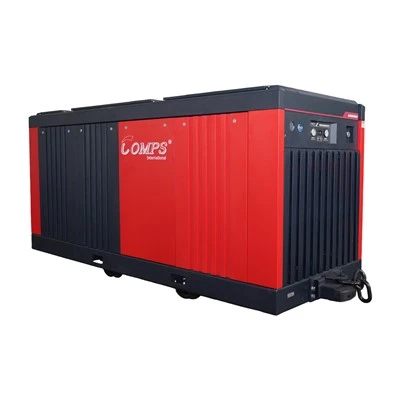
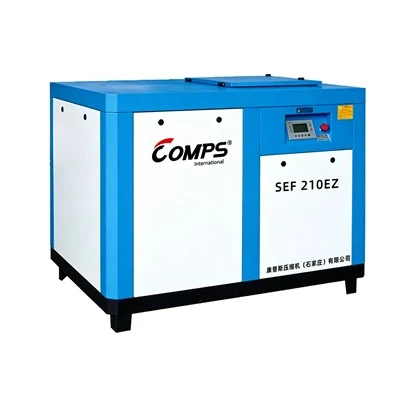
First off, let's understand what we mean by an ultra high pressure air compressor. These bad boys are designed to generate air at extremely high pressures, way more than your regular compressors. They're used in a whole bunch of industries, like oil and gas, aerospace, and even in some high - tech manufacturing processes. They're powerful and can get the job done when you need a large amount of high - pressure air.
Now, when we talk about a confined space, we're referring to an area that's not well - ventilated, has limited entry and exit points, and might not have enough room for normal air circulation. Think of things like small storage rooms, some industrial tanks, or even some underground chambers.
So, can you use an ultra high pressure air compressor in such a tight spot? Well, it's not a straightforward yes or no answer. There are a few factors we need to consider.
Safety First!
Safety is the number one concern when using any kind of machinery, especially in a confined space. Ultra high pressure air compressors work hard and generate a lot of heat. In a confined space, this heat can build up quickly. Without proper ventilation, the temperature can rise to dangerous levels, which not only risks damaging the compressor itself but also poses a fire hazard. You see, if the heat can't escape, it can cause lubricants in the compressor to break down and potentially catch fire.
Another safety issue is the build - up of air pressure within the confined space. Ultra high pressure air compressors are designed to handle and produce high pressures, but the environment around them needs to be able to handle it too. If the confined space isn't properly reinforced or designed to withstand the pressure changes, it could lead to a rupture or an explosion. That's obviously a huge no - no.
Air Quality and Ventilation
Good ventilation is crucial in a confined space. When an ultra high pressure air compressor is running, it sucks in air from its surroundings and compresses it. In a confined space, the air quality can deteriorate rapidly. The compressor might end up taking in stagnant air that's full of dust, fumes, or other contaminants. This can not only affect the performance of the compressor but also pose health risks to anyone working in the area.
For instance, if there are any chemicals or gases present in the confined space, the compressor can mix them into the compressed air. When that compressed air is used, it can release these harmful substances, which can be really bad for human health. Also, the compressor itself can emit exhaust gases, and without proper ventilation, these gases can accumulate and create an unsafe environment.
Noise and Space Constraints
Ultra high pressure air compressors are usually big machines, and they make a lot of noise. In a confined space, the noise can be amplified, which can be a real nuisance for workers. Prolonged exposure to high - level noise can cause hearing damage, so proper ear protection is a must.
Space is also a significant constraint. These compressors need room for maintenance and operation. In a confined space, it can be difficult to access different parts of the compressor for servicing. This can lead to neglected maintenance, which can shorten the lifespan of the compressor and increase the risk of breakdowns.
When It Might Work
Despite all these concerns, there are some situations where an ultra high pressure air compressor can be used in a confined space. If the space is properly designed and equipped for the compressor, it can work safely. For example, if the confined space has a dedicated ventilation system that can remove heat, exhaust gases, and maintain good air quality, that's a great start.
The space should also be built to withstand the pressure changes that the compressor can generate. If it's reinforced and has proper safety valves installed, the risk of an explosion or rupture can be minimized. Additionally, if the compressor is regularly maintained and monitored, it can operate more safely in a confined space.
Our Product Range
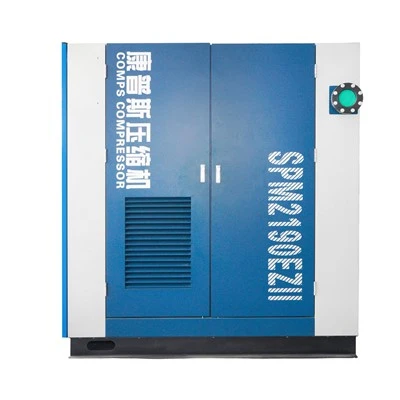
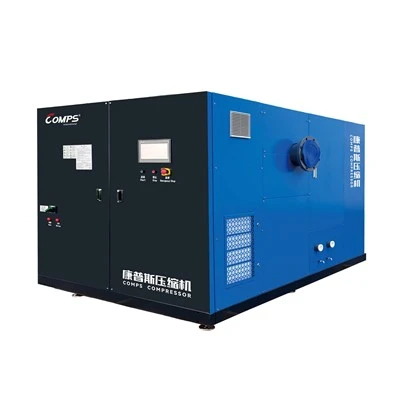
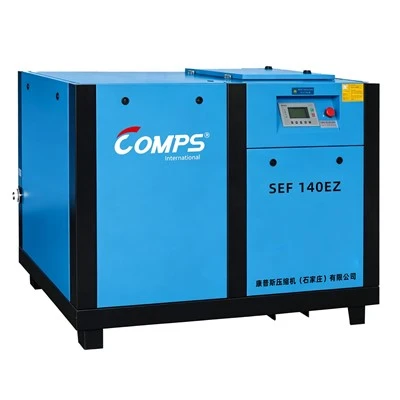
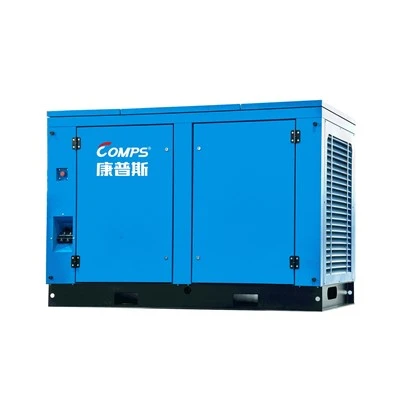
At our company, we offer a range of air compressors that might fit your needs, whether you're working in a confined space or an open area. Check out our Permanent Magnet Screw Compressor, which is energy - efficient and can provide a stable supply of compressed air. If you need a larger - scale solution, our Large Inverter Screw Air Compressors are designed to handle high - volume demands.
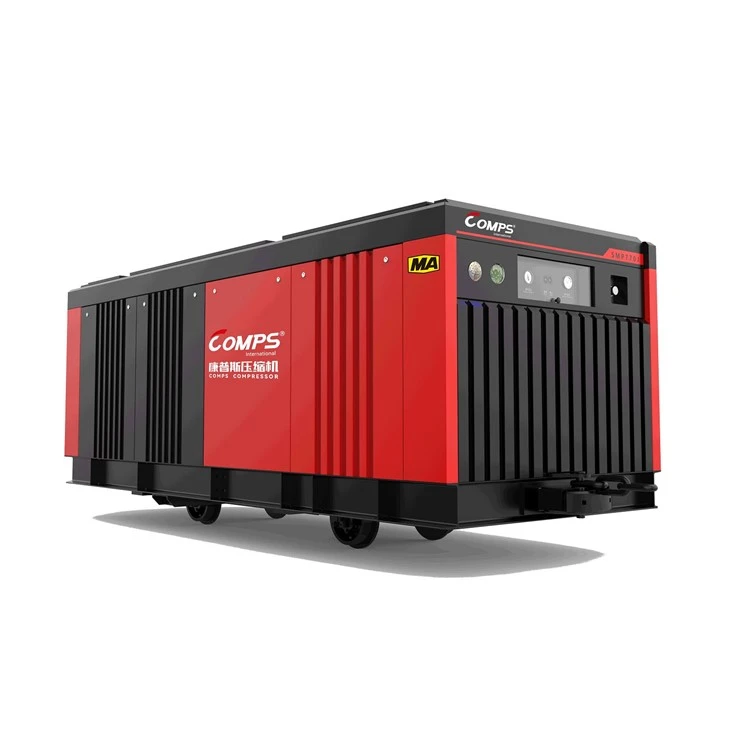
For those looking for a dry and oil - free solution, our Dry Screw Compressor is a great option. And if you're in an environment where safety is of utmost importance, our Magnetic Bearing Centrifugal Air Compressor and Explosion Proof Screw Air Compressor are built to meet strict safety standards.
Conclusion
In conclusion, while it's possible to use an ultra high pressure air compressor in a confined space, it comes with a whole set of challenges. Safety, ventilation, and space are the key factors that need to be carefully considered. If you're thinking about using one in a confined space, make sure to do a thorough risk assessment and take all the necessary precautions.
If you're interested in learning more about our ultra high pressure air compressors or any of our other products, don't hesitate to reach out. We're here to help you find the right compressor for your specific needs. Whether you're working in a small, tight space or a large industrial facility, we've got the solutions to keep your operations running smoothly. Contact us today to start a conversation about your air compressor requirements!
References
- Compressed Air and Gas Institute (CAGI). Guidelines for Safe Operation of Air Compressors.
- Occupational Safety and Health Administration (OSHA). Standards for Confined Space Entry.
- International Organization for Standardization (ISO). Standards for Air Compressor Safety and Performance.