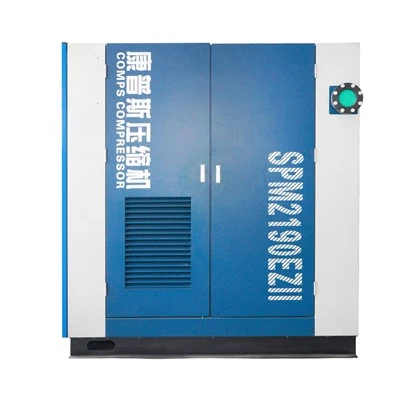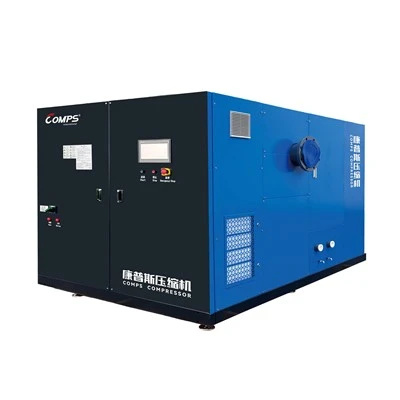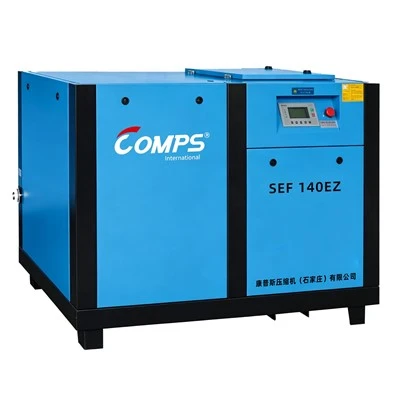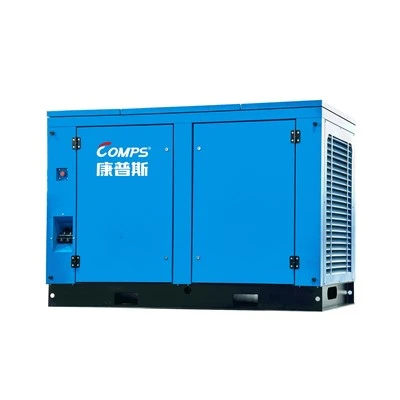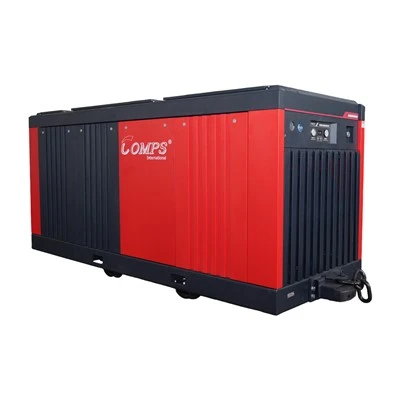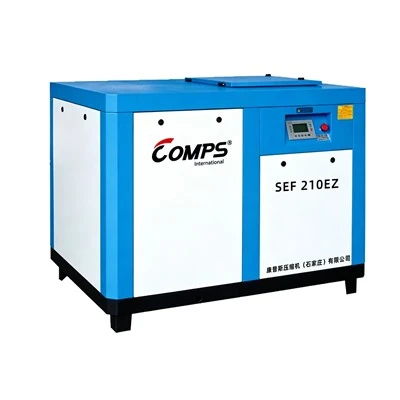
Optimizing an air supply system with a low pressure screw air compressor can significantly enhance efficiency, reduce energy costs, and improve the overall performance of your operations. As a supplier of Low Pressure Screw Air Compressors, I've seen firsthand how the right approach can make a huge difference. In this blog, I'll share some tips and strategies to help you get the most out of your low pressure screw air compressor and optimize your air supply system.
Understanding Low Pressure Screw Air Compressors
Before diving into optimization, it's important to understand what low pressure screw air compressors are. These compressors are designed to generate compressed air at lower pressures compared to high - pressure compressors. They work on the principle of two intermeshing screws that trap and compress air as they rotate. Low pressure screw air compressors are known for their reliability, energy efficiency, and continuous operation capabilities.
Assessing Your Air Supply Needs
The first step in optimizing your air supply system is to assess your actual air supply needs. Take a close look at your industrial processes and determine the amount of compressed air required, the pressure levels needed, and the duty cycle. For instance, if you're running a manufacturing line with multiple pneumatic tools, each tool may have different air consumption rates and pressure requirements.
By accurately assessing your needs, you can select a low pressure screw air compressor that is properly sized. An oversized compressor will consume more energy than necessary, while an undersized one may not meet your air demand, leading to inefficiencies and potential system failures.
Choosing the Right Low Pressure Screw Air Compressor
When it comes to choosing a low pressure screw air compressor, there are several options available. For example, you might consider Small Inverter Screw Air Compressors. These compressors are great for applications where variable air demand is common. The inverter technology allows the compressor to adjust its speed according to the actual air requirement, resulting in significant energy savings.
If you're working in a hazardous environment, Explosion Proof Screw Air Compressor is the way to go. These compressors are designed to prevent ignition of flammable substances in the surrounding area, ensuring safety in potentially dangerous settings.
For mining operations, Compressor Machine For Mining is specifically engineered to handle the tough conditions and high - air demand of the mining industry. And Two Stage Screw Air Compressor can provide higher efficiency by compressing the air in two stages, reducing the work done by each stage and thus saving energy.
If you're looking for energy - efficient and precise control, Low - Pressure PM Inverter Air Compressors are an excellent choice. They use permanent magnet motors and inverter technology to offer high - efficiency operation and accurate pressure control.
System Design and Layout
The design and layout of your air supply system play a crucial role in its optimization. Make sure the piping system is well - designed to minimize pressure drops. Use shorter and larger - diameter pipes whenever possible to reduce friction losses. Also, proper insulation of the pipes can prevent heat loss, especially in cold environments.
Installing air receivers in the system can help smooth out pressure fluctuations. An air receiver acts as a buffer, storing compressed air and releasing it when the demand suddenly increases. This can prevent the compressor from cycling on and off too frequently, which not only saves energy but also extends the lifespan of the compressor.


Maintenance and Monitoring
Regular maintenance is essential for the optimal performance of your low pressure screw air compressor. Change the air filters regularly to ensure clean air intake. A dirty air filter can restrict the airflow, causing the compressor to work harder and consume more energy.
Keep an eye on the lubricant levels and quality. The lubricant in a screw air compressor is crucial for cooling, sealing, and lubricating the moving parts. If the lubricant is dirty or low, it can lead to increased wear and tear and reduced efficiency.
Monitoring the performance of your compressor is also important. Use sensors and monitoring systems to track parameters such as pressure, temperature, and energy consumption. By analyzing this data, you can identify trends and potential issues early on and take corrective actions.
Energy Efficiency Measures
To further optimize your air supply system, focus on energy efficiency. One way is to implement a demand - side management strategy. This involves adjusting your production processes to match the air supply more closely. For example, you can stagger the start - up times of different pneumatic equipment to avoid peak demands that can overload the compressor.
Another energy - saving measure is to recover the heat generated by the compressor. Compressed air generation produces a significant amount of heat, which can be recovered and used for other purposes such as space heating or pre - heating water.
Troubleshooting and Optimization
Even with proper design and maintenance, issues may still arise in your air supply system. If you notice a decrease in air pressure, increased energy consumption, or strange noises from the compressor, it's important to troubleshoot the problem promptly.
Check for leaks in the piping system. A small air leak can lead to significant energy losses over time. Use a leak detector to find and repair any leaks. Also, inspect the compressor components such as the valves, belts, and couplings for wear and damage.
Once you've identified and fixed the problem, you can further optimize the system by fine - tuning the compressor settings. Adjust the pressure settings to match the actual requirements of your processes. You can also optimize the control algorithms of the compressor to improve its response to changes in air demand.
Conclusion
Optimizing an air supply system with a low pressure screw air compressor is an ongoing process that requires careful planning, proper equipment selection, regular maintenance, and continuous monitoring. By following the tips and strategies outlined in this blog, you can improve the efficiency, reliability, and performance of your air supply system.
If you're interested in learning more about our low pressure screw air compressors or need help optimizing your air supply system, don't hesitate to reach out. We're here to assist you in making the best choices for your operations.
References
- "Compressed Air Systems Handbook" by Compressed Air and Gas Institute.
- "Energy - Efficient Compressed Air Systems" by the U.S. Department of Energy.