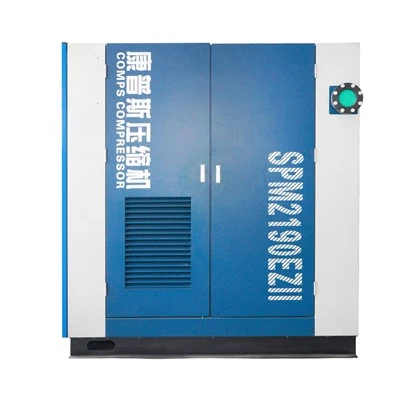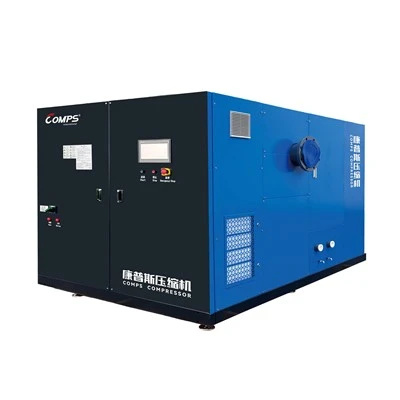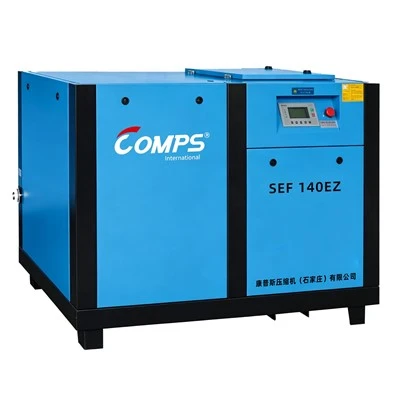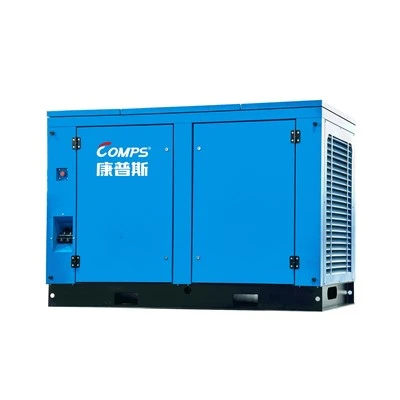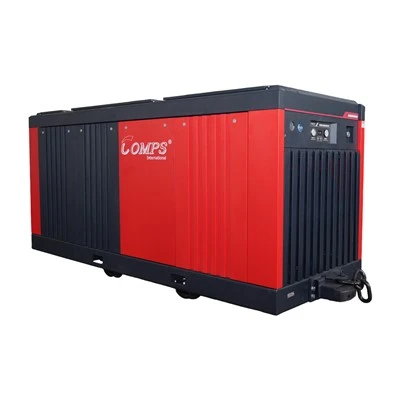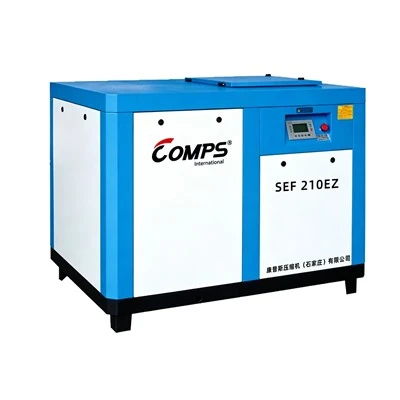
Yo! I'm an actual guy running a Natural Gas Air Compressor supply business. Fixing these machines is no joke, but don't worry. I've got your back with the know - how on how to repair a natural gas air compressor.
1. Understanding the Basics of a Natural Gas Air Compressor
First things first, we need to get a grip on what makes these compressors tick. A natural gas air compressor is designed to take in natural gas and compress it, increasing its pressure for various uses. It's like a really hard - working muscle that pumps and packs gas molecules closer together.
The main parts of a natural gas air compressor include the intake valve, compression chamber, and discharge valve. The intake valve lets the natural gas in, the compression chamber is where the magic happens as the gas gets compressed, and the discharge valve releases the high - pressure gas. If you want to check out some awesome precision compressors, you can head over to Precision Air Compressor.
2. Safety First
Before you start tinkering with any natural gas equipment, safety is the name of the game! Natural gas is flammable and potentially dangerous. So, make sure to turn off the power supply to the compressor. Also, shut off the natural gas source to avoid any leaks or explosions. Wear safety gear like gloves and goggles to protect yourself from any flying debris or chemical exposure.
If you're in the chemical industry and need a specialized air compressor, you might want to look at Air Compressor for Chemical. They're designed with safety and chemical - compatibility in mind.
3. Troubleshooting Common Problems
Leaks
Leaks are one of the most common issues with natural gas air compressors. You can usually detect a leak by the smell (natural gas has an added odorant for safety) or by using a leak detector solution. Apply the solution around the connections, valves, and hoses. If you see bubbles forming, that's a sign of a leak.
To fix a leak, first, identify where it's coming from. If it's a loose connection, tighten it up with the right tools. But if it's a damaged hose or valve, you'll need to replace it. Make sure to use the correct parts that are compatible with your compressor.
Low Pressure Output
If your compressor isn't producing enough pressure, there could be a few reasons. One possibility is a clogged intake filter. Over time, dirt and debris can build up in the filter, restricting the flow of natural gas. Simply remove the filter and clean it or replace it if it's too dirty.
Another reason could be a worn - out piston or valve. These parts can get damaged over time due to constant use. You'll need to open up the compressor and inspect these components. If they're worn, you'll have to replace them. And for some super - tough environments, you might consider ATEX - Certified Explosion - Proof Air Compressors which are built to handle tough conditions safely.
Overheating
Overheating can be a real headache. It could be due to a lack of proper lubrication. Check the oil level in your compressor. If it's low, add the recommended oil. Also, make sure the cooling fins on the compressor are clean and free of dust and debris. A dirty cooling system can't do its job properly, causing the compressor to overheat.
4. Disassembling and Reassembling the Compressor
When you need to dig deeper into the compressor for major repairs, you'll have to disassemble it. But don't go willy - nilly taking parts out. Make sure you have a clear understanding of how the compressor is put together. Take pictures or draw diagrams of the parts and their positions before you start removing anything.
Use the right tools for the job. Whether it's wrenches, screwdrivers, or pliers, make sure they fit the fasteners properly. You don't want to strip the screws or damage the parts.
When you're putting the compressor back together, follow your photos or diagrams closely. Make sure all the parts are in the correct position and that everything is tightened properly. A loose part can lead to more problems down the road.
If you're dealing with high - pressure situations, a High Pressure Screw Air Compressor might be what you need. These are built for tough applications and may require a different repair approach.
5. Maintenance Tips to Prevent Future Repairs
Regular maintenance is key to keeping your natural gas air compressor in top shape. Change the oil at the recommended intervals. This helps to keep the moving parts lubricated and reduces wear and tear.
Inspect the belts and hoses for signs of wear and tear. Replace them if they're cracked, frayed, or showing other signs of damage.
Keep the compressor clean. Wipe it down regularly to remove dust and debris. This not only helps with the appearance but also keeps the cooling system working efficiently.
For those in the mining industry, Compressor Machine For Mining has specific requirements. Regular maintenance is even more crucial in these harsh environments.
6. When to Call in the Pros
Sometimes, no matter how much you know, a repair might be beyond your skill level. If you're dealing with complex electrical issues, internal component failures that you can't diagnose, or if you're just not confident in your abilities, it's time to call in a professional.
Reach Out for More!
Well, there you have it, folks! The ins and outs of repairing a natural gas air compressor. If you're in the market for a new compressor or need parts for your repairs, we're here to help. Whether you're looking for precision, chemical - friendly, explosion - proof, high - pressure, or mining - specific compressors, we've got a wide range of options. Reach out to us to start a chat about your needs and let's find the perfect compressor solution for you.

References
- General knowledge of natural gas air compressors from years in the supply business.
- Manufacturer's manuals for various natural gas air compressors.