What is the compression ratio of small inverter screw air compressors?
As a trusted supplier of Small Inverter Screw Air Compressors, I often encounter inquiries about various technical aspects of our products. One question that frequently comes up is about the compression ratio of these air compressors. In this blog post, I'll delve into what the compression ratio is, its significance in small inverter screw air compressors, and how it impacts the performance and efficiency of our equipment.
Understanding the Compression Ratio
The compression ratio is a fundamental concept in the operation of air compressors. It is defined as the ratio of the absolute discharge pressure to the absolute suction pressure. Mathematically, it can be expressed as:
Compression Ratio (CR) = Absolute Discharge Pressure (P2) / Absolute Suction Pressure (P1)
The absolute pressure accounts for both the gauge pressure and the atmospheric pressure. For example, if the suction pressure is at atmospheric pressure (approximately 1 bar), and the discharge pressure is 8 bar gauge, the absolute discharge pressure (P2) would be 9 bar (8 + 1), and the absolute suction pressure (P1) would be 1 bar. Thus, the compression ratio would be 9/1 = 9.
Importance of Compression Ratio in Small Inverter Screw Air Compressors
The compression ratio plays a crucial role in the performance of small inverter screw air compressors. Here are some of the key impacts:
Energy Efficiency: A higher compression ratio can lead to increased energy consumption. When the compressor has to compress air to a much higher pressure relative to the intake pressure, it requires more work. Inverter technology in our small screw air compressors helps mitigate this issue by adjusting the motor speed according to the demand. This way, the compressor can operate at an optimal compression ratio for different applications, reducing energy waste.
Air Quality: The compression ratio affects the temperature rise during the compression process. Higher compression ratios generally result in higher temperatures. If the temperature gets too high, it can cause oil degradation in oil-lubricated compressors or lead to moisture condensation in the compressed air. Our small inverter screw air compressors are designed to maintain a reasonable compression ratio to ensure good air quality and prevent these issues.
System Performance: The compression ratio also influences the overall performance of the compressed air system. It determines the flow rate and pressure of the output air. By carefully selecting the appropriate compression ratio, we can ensure that the compressor meets the specific requirements of different applications, such as powering pneumatic tools or operating industrial machinery.
Typical Compression Ratios in Small Inverter Screw Air Compressors
In small inverter screw air compressors, the compression ratio typically ranges from 3 to 12. The specific compression ratio depends on several factors, including the application, the required pressure output, and the design of the compressor.
For applications where lower pressures are sufficient, such as some small-scale pneumatic tools or light industrial processes, a compression ratio of around 3 - 6 may be adequate. These compressors can operate more efficiently at lower compression ratios, reducing energy consumption and wear on the components.
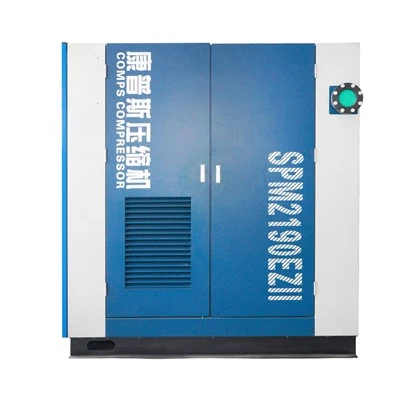
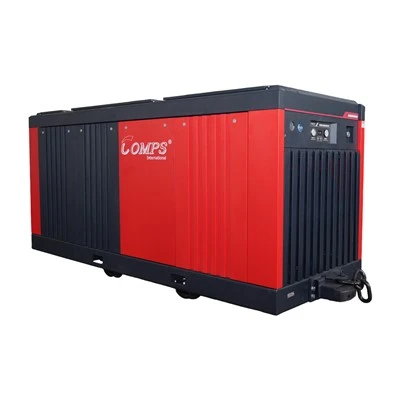
On the other hand, for applications that require higher pressures, such as in certain manufacturing processes or in some mining operations Mining Screw Air Compressor, a compression ratio of 8 - 12 may be necessary. Our company offers a range of small inverter screw air compressors with different compression ratios to meet the diverse needs of our customers.
Impact of Inverter Technology on Compression Ratio
Inverter technology is a significant advancement in the field of air compressors. It allows the compressor motor to adjust its speed based on the demand for compressed air. This has a direct impact on the compression ratio and several other performance aspects.
Variable Compression Ratio: Inverter-driven small screw air compressors can operate at a variable compression ratio. When the demand for compressed air is low, the compressor can reduce its speed and operate at a lower compression ratio. This not only saves energy but also extends the lifespan of the compressor. As the demand increases, the compressor can increase its speed and adjust the compression ratio accordingly to meet the higher pressure requirements.
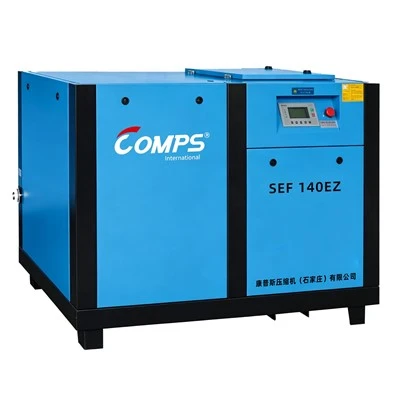
Improved Efficiency: By continuously adjusting the motor speed and compression ratio, inverter technology improves the overall efficiency of the compressor. It eliminates the need for on/off cycling, which can cause energy losses and wear on the components. Our Low-Pressure PM Inverter Air Compressors and Normal-Pressure PM Inverter Air Compressors are designed with advanced inverter technology to provide optimal performance and efficiency.
Different Types of Small Inverter Screw Air Compressors and Their Compression Ratios
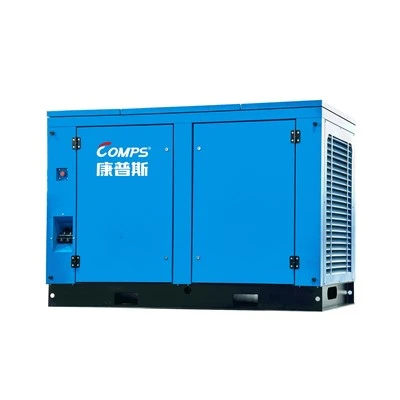
Inverter Two Stage Screw Air Compressor: Inverter Two Stage Screw Air Compressor offers improved efficiency and performance compared to single-stage compressors. In a two-stage compressor, the air is compressed in two steps. This allows for a higher overall compression ratio while keeping the temperature rise in each stage within a reasonable range. The compression ratio in a two-stage inverter screw air compressor can typically reach up to 12 or higher, making it suitable for high-pressure applications.
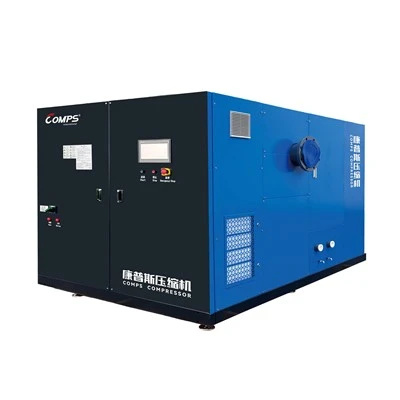
Water - Lubricated Oil - Free Screw Air Compressor: Water-Lubricated Oil-Free Screw Air Compressor is designed for applications where oil-free compressed air is required. These compressors usually operate at a moderate compression ratio, typically in the range of 4 - 8. The water lubrication helps to keep the temperature down and ensures clean, oil-free air output.
Selecting the Right Compression Ratio for Your Application
When choosing a small inverter screw air compressor, it is crucial to select the right compression ratio for your specific application. Here are some factors to consider:
Required Pressure: Determine the minimum and maximum pressure requirements of your application. This will help you select a compressor with an appropriate compression ratio to meet the pressure needs.
Flow Rate: Consider the required flow rate of compressed air. A higher compression ratio may reduce the flow rate, so it's important to find a balance between pressure and flow to ensure the compressor can meet the demand.
Energy Efficiency: If energy efficiency is a priority, look for a compressor with a variable compression ratio and inverter technology. This will allow the compressor to adjust its operation according to the demand and reduce energy consumption.
Air Quality: For applications that require high - quality compressed air, such as in the food and beverage or pharmaceutical industries, consider a compressor with a suitable compression ratio to maintain low temperatures and prevent moisture and oil contamination.
Conclusion
The compression ratio is a critical parameter in small inverter screw air compressors. It affects the energy efficiency, air quality, and overall performance of the compressor. As a supplier of Small Inverter Screw Air Compressors, we understand the importance of selecting the right compression ratio for different applications. Our range of products, including Low-Pressure PM Inverter Air Compressors, Mining Screw Air Compressor, Inverter Two Stage Screw Air Compressor, Water-Lubricated Oil-Free Screw Air Compressor, and Normal-Pressure PM Inverter Air Compressors, is designed to offer optimal performance and efficiency with different compression ratios to meet the diverse needs of our customers.


If you are in the market for a small inverter screw air compressor and need help selecting the right one for your application, or if you have any questions about compression ratios or our products, please feel free to reach out for a detailed discussion and procurement negotiation. We are here to provide you with the best solution for your compressed air needs.
References
- Compressor Handbook, various editions.
- Technical literature from compressor manufacturers and industry associations.