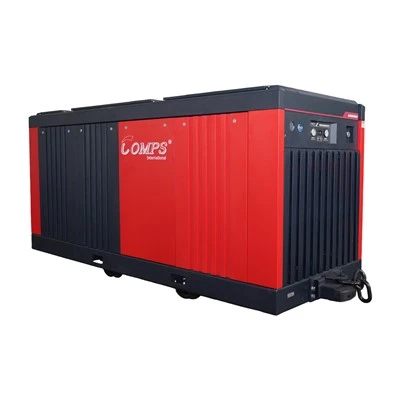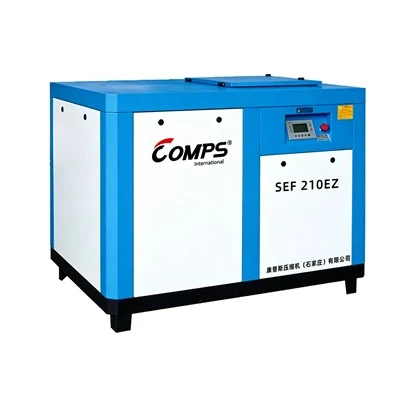
In industrial settings where safety is of utmost importance, explosion proof air compressors play a crucial role. These specialized machines are designed to operate in hazardous environments where there is a risk of explosion due to the presence of flammable gases, vapors, or dust. One of the challenges that explosion proof air compressors face is the management of moisture in the air. Moisture in compressed air can lead to a variety of problems, from corrosion and equipment damage to reduced efficiency and compromised product quality. As a leading supplier of explosion proof air compressors, we understand the significance of effectively handling moisture and have developed advanced solutions to address this issue.
The Impact of Moisture in Compressed Air
Before delving into how explosion proof air compressors handle moisture, it is essential to understand the detrimental effects of moisture in compressed air. When air is compressed, its temperature rises, and it can hold more water vapor. As the compressed air cools, the water vapor condenses into liquid water. This condensed water can cause several problems:
- Corrosion: Water in compressed air systems can corrode pipes, valves, and other components. Over time, this corrosion can lead to leaks, reduced equipment lifespan, and potential safety hazards.
- Equipment Damage: Moisture can damage pneumatic tools and equipment. It can cause internal parts to rust, resulting in malfunction and reduced performance.
- Product Contamination: In industries such as food and beverage, pharmaceuticals, and electronics, moisture in compressed air can contaminate products, leading to quality issues and potential product recalls.
- Reduced Efficiency: Water in compressed air can increase friction and resistance in pipes, reducing the overall efficiency of the system. This can result in higher energy consumption and increased operating costs.
Moisture Removal Techniques
Explosion proof air compressors employ several techniques to remove moisture from the compressed air. These techniques can be broadly categorized into pre - compression, in - compression, and post - compression methods.
Pre - Compression Moisture Control
- Air Intake Filters: Ensuring a clean and dry air intake is the first step in moisture management. Air intake filters can be equipped with moisture - coalescing elements that capture water droplets and prevent them from entering the compressor. These filters are designed to remove both solid particles and water vapor from the incoming air, reducing the moisture load on the compressor.
- Cooling and Dew Point Control: In some cases, the incoming air can be pre - cooled to reduce its moisture content. By lowering the temperature of the air, the water vapor in the air condenses, and the condensed water can be removed before it enters the compressor. This can be achieved using heat exchangers or refrigeration units.
In - Compression Moisture Management
- Intercooling: Many explosion proof air compressors use multi - stage compression with intercoolers between each stage. Intercoolers are heat exchangers that cool the compressed air between compression stages. As the air cools, the water vapor in the air condenses, and the condensed water can be removed through drains. This not only reduces the moisture content of the compressed air but also improves the efficiency of the compression process.
- Oil Separation: In oil - lubricated explosion proof air compressors, the oil can also play a role in moisture management. The oil can absorb some of the water vapor in the compressed air, and the water can be separated from the oil in the oil separator. However, it is important to regularly drain the water from the oil separator to prevent the oil from becoming contaminated.
Post - Compression Moisture Removal
- Aftercoolers: After the air has been compressed, it passes through an aftercooler. The aftercooler further cools the compressed air, causing more water vapor to condense. The condensed water is then removed through a drain valve. Aftercoolers are an effective way to reduce the moisture content of the compressed air before it enters the distribution system.
- Dryers: There are several types of dryers used in explosion proof air compressor systems to remove moisture from the compressed air to very low levels.
- Refrigerated Dryers: These dryers work by cooling the compressed air to a low temperature, typically around 3 - 10°C (37 - 50°F). As the air cools, the water vapor condenses, and the condensed water is removed. The cooled air is then reheated to prevent condensation in the distribution pipes. Refrigerated dryers are suitable for applications where the required dew point is not extremely low.
- Desiccant Dryers: Desiccant dryers use a desiccant material, such as silica gel or activated alumina, to adsorb water vapor from the compressed air. The desiccant is regenerated periodically to remove the adsorbed water. Desiccant dryers can achieve very low dew points, making them suitable for applications where a high level of dryness is required, such as in the electronics and pharmaceutical industries.
Our Explosion Proof Air Compressor Solutions
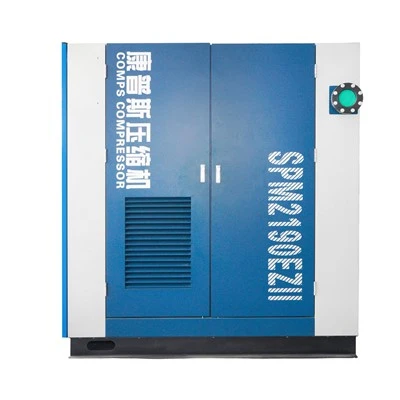
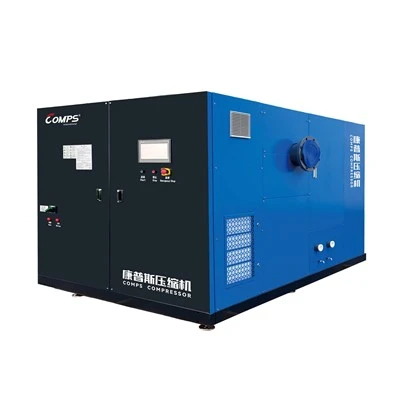
As a supplier of explosion proof air compressors, we offer a wide range of products that are designed to effectively handle moisture in the air. Our High - Pressure PM Inverter Air Compressors are equipped with advanced moisture removal systems, including high - efficiency aftercoolers and refrigerated dryers. These compressors are suitable for high - pressure applications where moisture control is critical.
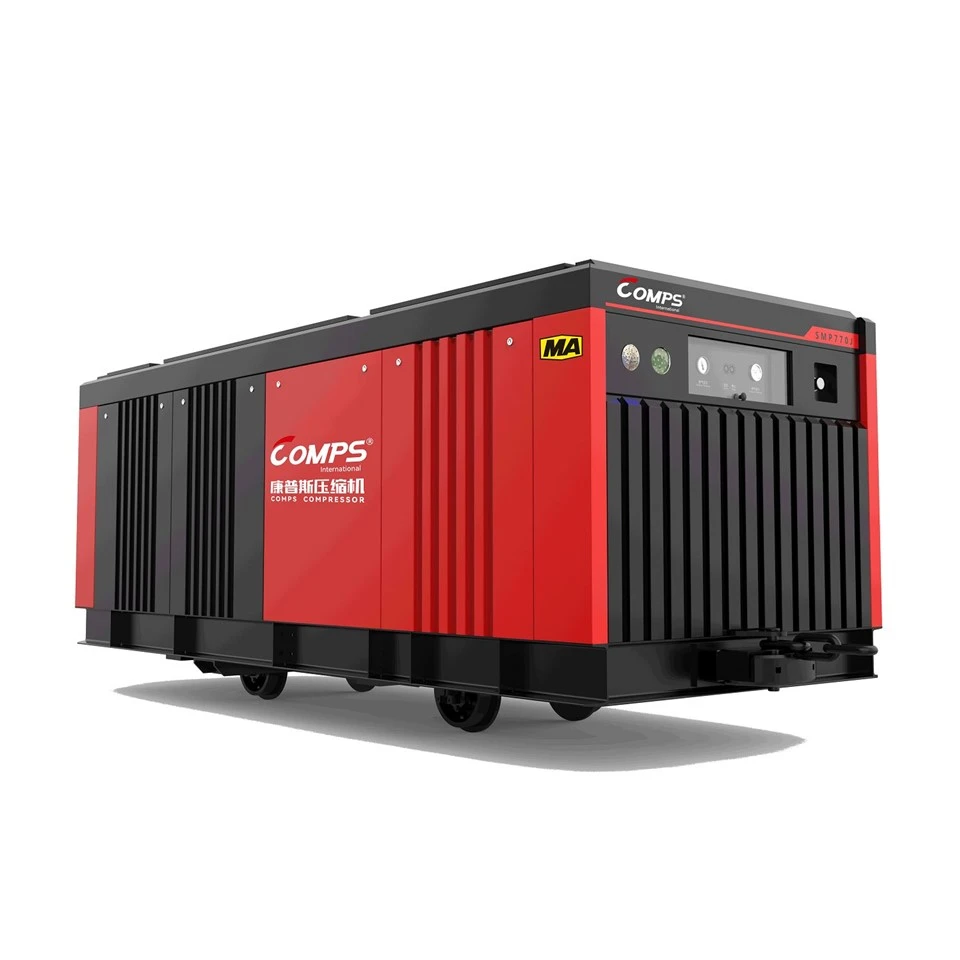
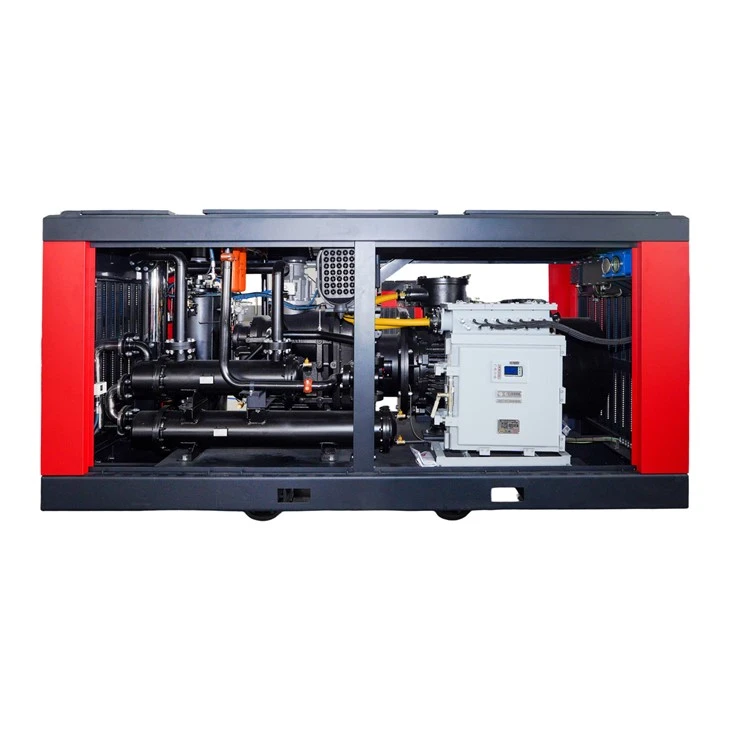
Our Dust Explosion Proof Air Compressor is specifically designed for environments where there is a risk of dust explosions. In addition to its explosion - proof design, it also features a comprehensive moisture management system to ensure the reliability and longevity of the equipment.
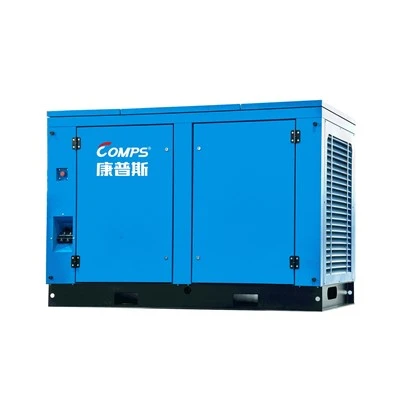
For underground mining applications, our Underground Mine Air Compressor is engineered to operate in harsh conditions. It includes pre - compression air intake filters and in - compression intercoolers to remove moisture and ensure the safety and efficiency of the mining operations.
In the chemical industry, our Air Compressor for Chemical is designed to meet the strict requirements of chemical processes. It is equipped with desiccant dryers to provide ultra - dry compressed air, preventing product contamination and ensuring the quality of chemical products.
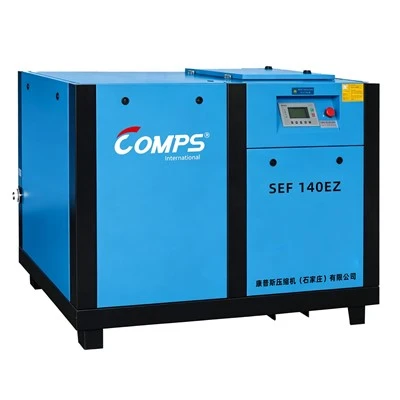
Our Explosion Proof Screw Air Compressor is a popular choice for many industrial applications. With its advanced oil separation and moisture removal features, it can effectively handle moisture in the air, providing reliable and efficient compressed air supply.
Contact Us for Your Explosion Proof Air Compressor Needs
If you are looking for a reliable explosion proof air compressor that can effectively handle moisture in the air, look no further. Our team of experts is ready to assist you in selecting the right compressor for your specific application. We can provide you with detailed technical information, product specifications, and pricing. Contact us today to start a discussion about your explosion proof air compressor requirements and let us help you find the best solution for your business.
References
- ASME Pressure Vessel and Piping Codes.
- Compressed Air and Gas Institute (CAGI) Standards.
- National Fire Protection Association (NFPA) Codes for Hazardous Locations.