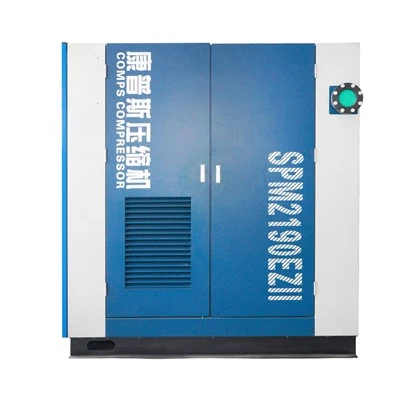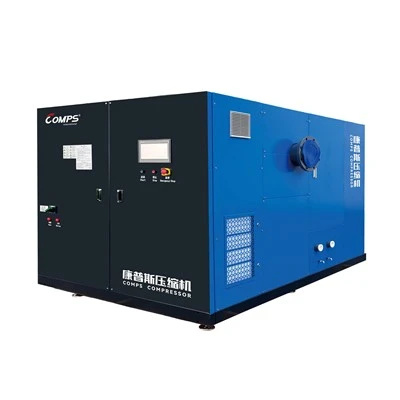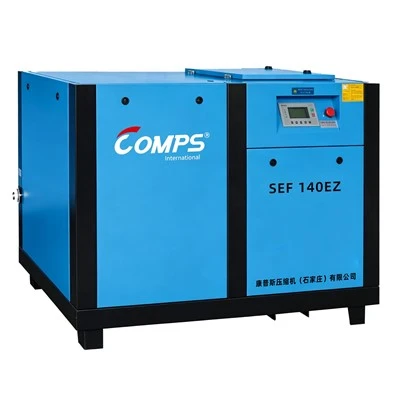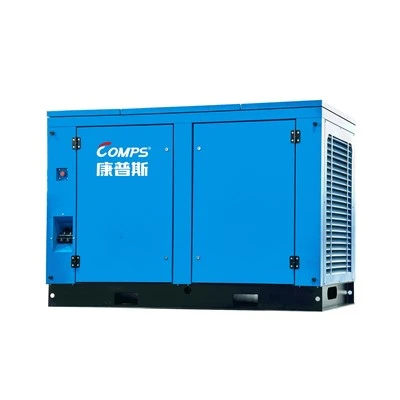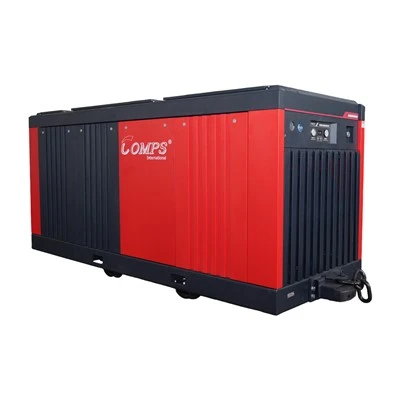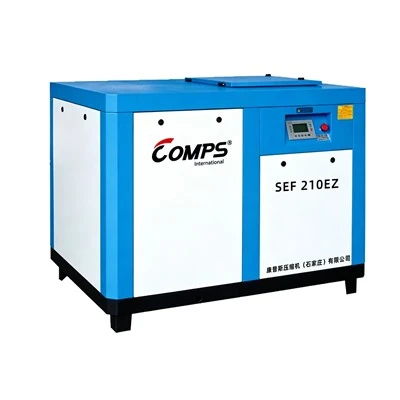
The mining industry heavily relies on efficient and reliable equipment to ensure seamless operations. Among the critical machinery is the mining screw air compressor, which plays a pivotal role in powering various tools and processes underground. However, like any mechanical equipment, these compressors require regular maintenance to perform at their best. As a trusted mining screw air compressor supplier, I am here to share the signs that indicate a mining screw air compressor needs maintenance.
Unusual Noise or Vibration
One of the most apparent signs of a potential issue with a mining screw air compressor is the presence of unusual noise or vibration. During normal operation, a well-maintained compressor should run smoothly and quietly. If you start to hear rattling, grinding, or knocking sounds, it could be a sign of loose components, worn-out bearings, or misaligned parts. Similarly, excessive vibration can indicate problems with the compressor's mounting, imbalance in the rotating parts, or issues with the drive system.
For instance, if the compressor's motor bearings are worn out, they can cause a high-pitched whining noise. This noise is not only annoying but can also lead to further damage if left unaddressed. In such cases, it is crucial to shut down the compressor immediately and have it inspected by a qualified technician.
Decreased Air Pressure and Flow
Another red flag that your mining screw air compressor needs maintenance is a decrease in air pressure and flow. When the compressor is operating correctly, it should be able to provide a consistent and adequate supply of compressed air to meet the demands of the mining equipment. However, if you notice that the air pressure is lower than usual or the flow of air is weak, it could be due to a variety of issues.
A clogged air filter is a common culprit that can restrict the airflow into the compressor, reducing its efficiency. Over time, dust, dirt, and debris can accumulate in the filter, causing it to become blocked. Additionally, leaks in the air delivery system, such as cracked hoses or loose fittings, can also result in a loss of pressure and flow. Regularly checking and replacing the air filter, as well as inspecting the air delivery system for leaks, can help prevent these issues.
High Discharge Temperature
The discharge temperature of a mining screw air compressor is an important parameter to monitor. A high discharge temperature can indicate a problem with the compressor's cooling system or an issue with the compression process itself. Excessive heat can cause damage to the compressor's components, such as the rotor, bearings, and seals, and can also lead to a decrease in the compressor's efficiency.
There are several reasons why the discharge temperature may be high. A malfunctioning cooling fan or a blocked radiator can prevent the compressor from dissipating heat effectively. Additionally, using the compressor in a high-temperature environment or overloading it can also cause the discharge temperature to rise. If the discharge temperature exceeds the recommended limit, it is essential to take immediate action to identify and address the underlying cause.
Increased Energy Consumption
If you notice a significant increase in the energy consumption of your mining screw air compressor, it could be a sign that the compressor is not operating efficiently. An inefficient compressor has to work harder to produce the same amount of compressed air, resulting in higher energy costs. There are several factors that can contribute to increased energy consumption, including leaks in the system, worn-out components, and improper maintenance.


For example, a leak in the air delivery system can cause the compressor to run continuously to maintain the desired pressure, consuming more energy than necessary. Similarly, worn-out seals or bearings can cause friction, which also increases energy consumption. Regular maintenance, including checking for leaks, lubricating moving parts, and replacing worn-out components, can help improve the compressor's efficiency and reduce energy costs.
Frequent Shutdowns or Trips
If your mining screw air compressor keeps shutting down or tripping, it is a clear indication that something is wrong. There are several possible causes for this issue, including overheating, electrical problems, and issues with the compressor's control system.
Overheating can cause the compressor to shut down automatically to prevent damage to the components. This can be due to a malfunctioning cooling system, a blocked air intake, or overloading the compressor. Electrical problems, such as a faulty motor or a short circuit, can also cause the compressor to trip the circuit breaker. Additionally, issues with the compressor's control system, such as a faulty pressure switch or a malfunctioning sensor, can cause the compressor to shut down unexpectedly.
Oil Leaks
Oil leaks are another common sign that a mining screw air compressor needs maintenance. The compressor uses oil for lubrication and cooling, and a leak can result in a loss of oil, which can lead to increased friction and wear on the components. Additionally, oil leaks can contaminate the surrounding environment and pose a safety hazard.
There are several possible causes of oil leaks, including worn-out seals, loose fittings, and cracked oil lines. Regularly inspecting the compressor for oil leaks and replacing any damaged components can help prevent this issue.
Excessive Condensation
Excessive condensation in the compressed air system is a sign that the compressor is not properly removing moisture from the air. This can lead to a variety of problems, including corrosion of the pipes and equipment, reduced efficiency of the pneumatic tools, and the growth of mold and bacteria.
The presence of excessive condensation can be caused by a malfunctioning aftercooler or water separator, improper installation of the air drying system, or high humidity levels in the environment. Regularly maintaining the aftercooler and water separator, as well as ensuring that the air drying system is properly sized and installed, can help prevent this issue.
Reduced Compressor Life
If your mining screw air compressor is experiencing frequent breakdowns or is not performing as well as it used to, it could be a sign that it is reaching the end of its useful life. The lifespan of a compressor depends on several factors, including the quality of the equipment, the operating conditions, and the level of maintenance.
Regular maintenance can help extend the life of the compressor by preventing premature wear and tear on the components. However, if the compressor has been in use for a long time and is experiencing multiple issues, it may be time to consider replacing it with a new one.
Importance of Regular Maintenance
Regular maintenance of your mining screw air compressor is essential to ensure its optimal performance, reliability, and safety. By addressing the signs of maintenance needs early, you can prevent costly breakdowns, reduce downtime, and extend the life of the compressor.
As a [Your Company's Role] in mining screw air compressors, I offer a wide range of high-quality products, including Permanent Magnet Screw Compressor, Inverter Two Stage Screw Air Compressor, Ultra High Pressure Air Compressor, Mobile Electric Air Compressor, and Single Stage Screw Compressor. I also provide comprehensive maintenance services to help you keep your compressor in top condition.
If you notice any of the signs mentioned above or have any questions about the maintenance of your mining screw air compressor, I encourage you to contact me. I am committed to providing you with the best products and services to meet your needs. Whether you are looking to purchase a new compressor or need help with maintenance and repair, I am here to assist you. Let's work together to ensure the smooth and efficient operation of your mining operations.
References
- Compressed Air and Gas Handbook, 4th Edition
- Industrial Air Compressor Maintenance Guide
- Manufacturer's manuals for mining screw air compressors